


- Регистрация
- 17 Февраль 2018
- Сообщения
- 40 948
- Лучшие ответы
- 0
- Реакции
- 0
- Баллы
- 8 093
Offline
Ars chats with cinematographer Steve Yedlin about bringing Rian Johnson’s Gothic vision to life.
Credit: Netflix
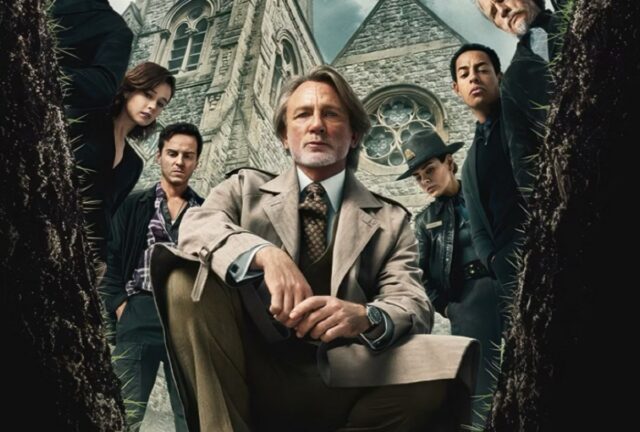
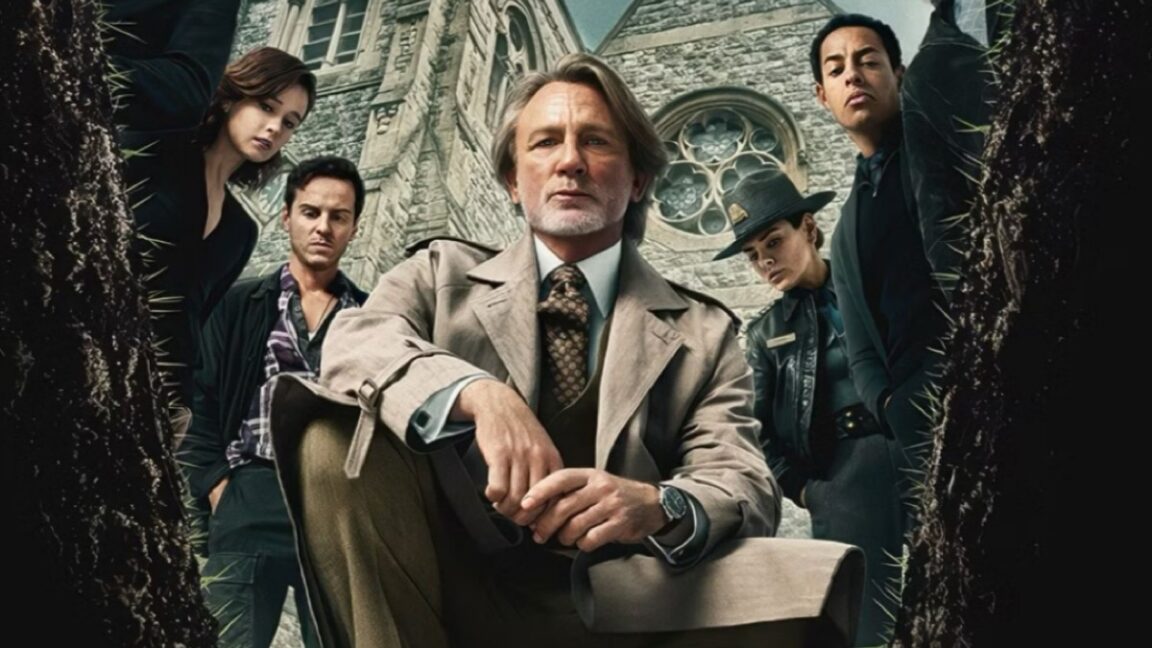
Rian Johnson has another Benoit Blanc hit on his hands with Wake Up Dead Man, in which Blanc tackles the strange death of a fire-and-brimstone parish priest, Monseigneur Jefferson Wicks (Josh Brolin). It’s a classic locked-room mystery in a spookily Gothic small-town setting, and Johnson turned to cinematographer Steve Yedlin (Looper, The Last Jedi) to help realize his artistic vision.
(Minor spoilers below but no major reveals.)
Yedlin worked on the previous two Knives Out installments. He’s known Johnson since the two were in their teens, and that longstanding friendship ensures that they are on the same page, aesthetically, from the start when they work on projects.
“We don’t have to test each other,” Yedlin told Ars. “There isn’t that figuring out period. We get to use the prep time in a way that’s really efficient and makes the movie better because we’re [in agreement] from the very first moment of whatever time we have crafting and honing and sculpting this movie. We don’t waste time talking abstractions or making sure we have the same taste. We can just dive right into the details of each individual scene and shot.”
This time, given the distinctive Gothic sensibility of Wake Up Dead Man, Yedlin played up the interplay between light and dark. For instance, Johnson’s script called for the occasional dramatic lighting changes, sometimes within the same scene. Case in point: When Wick is delivering his trademark hellfire-and-brimstone sermon in the pulpit, the sun bursts out of the clouds for a brief moment and illuminates him, before the clouds move back to cover the sun once again. Even Blanc gets his moment in the sun, so to speak, with his “road to Damascus” moment just before the final reveal.
“In the church, we have day, night, dawn, dusk,” said Yedlin. “We have early morning rays slashing in. As Wick’s speech swells up, the sun bursts out from behind the clouds and flares the lens. We had custom light control software so they can both control and tweak all the nuances of the lighting and also do the cues themselves where it’s changing during the shot, where it’s very flexible and we can be creative in the moment. It’s very repeatable and dependable and you can just push a button and it happens on the same line over the same length of time, every time.”
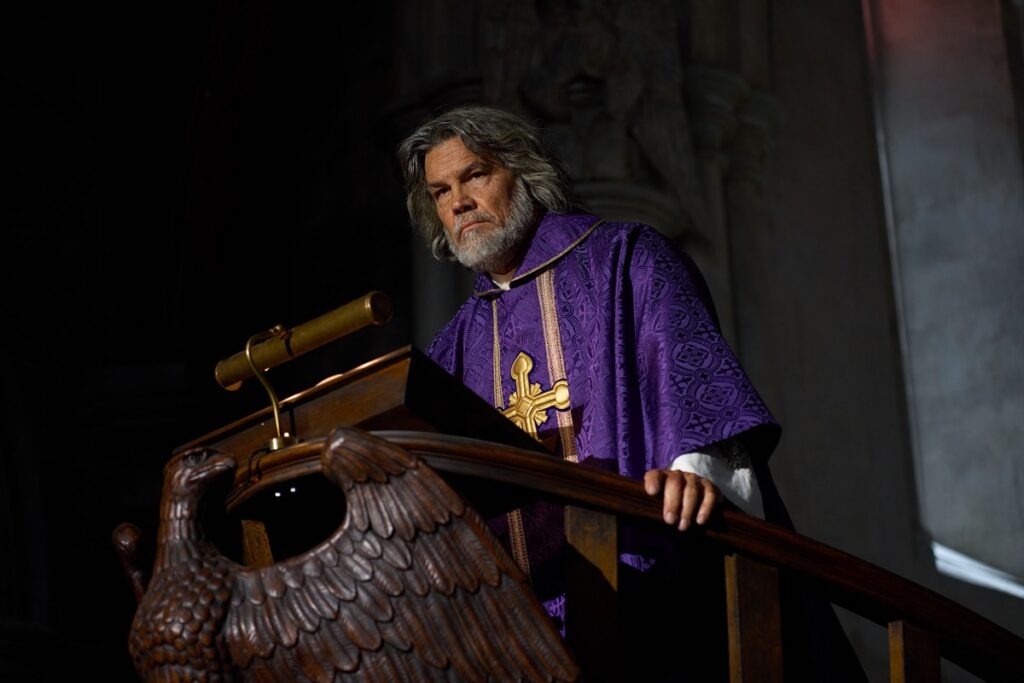
The script called for dramatic lighting changes even within single scenes, such as Msgr. Jefferson Wicks' (Josh Brolin) fiery sermon. Netflix
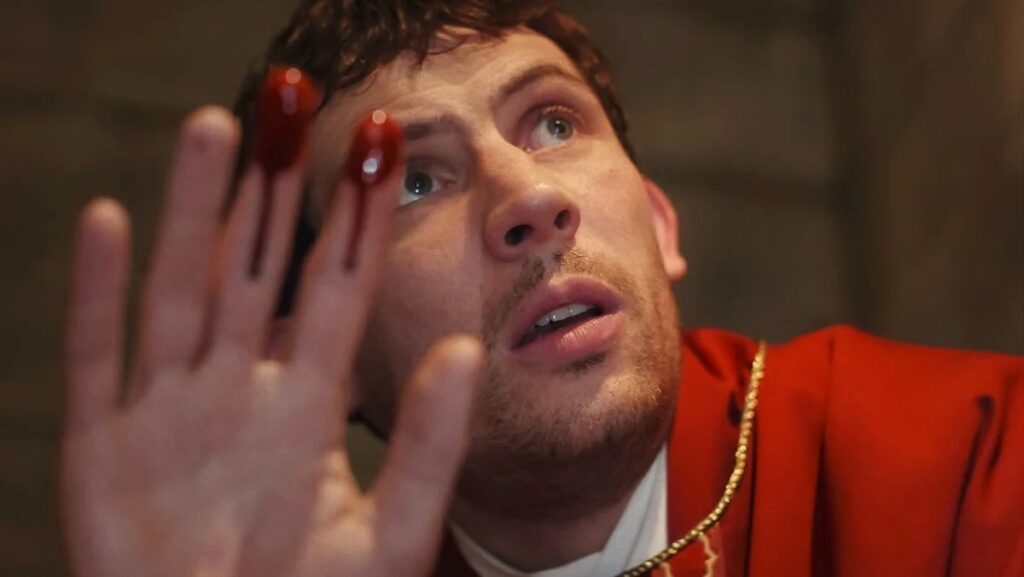
Rev. Jud Duplenticy (Josh O'Connor) is the prime suspect when Wicks is murdered. Netflix
The script called for dramatic lighting changes even within single scenes, such as Msgr. Jefferson Wicks' (Josh Brolin) fiery sermon. Netflix
Rev. Jud Duplenticy (Josh O'Connor) is the prime suspect when Wicks is murdered. Netflix
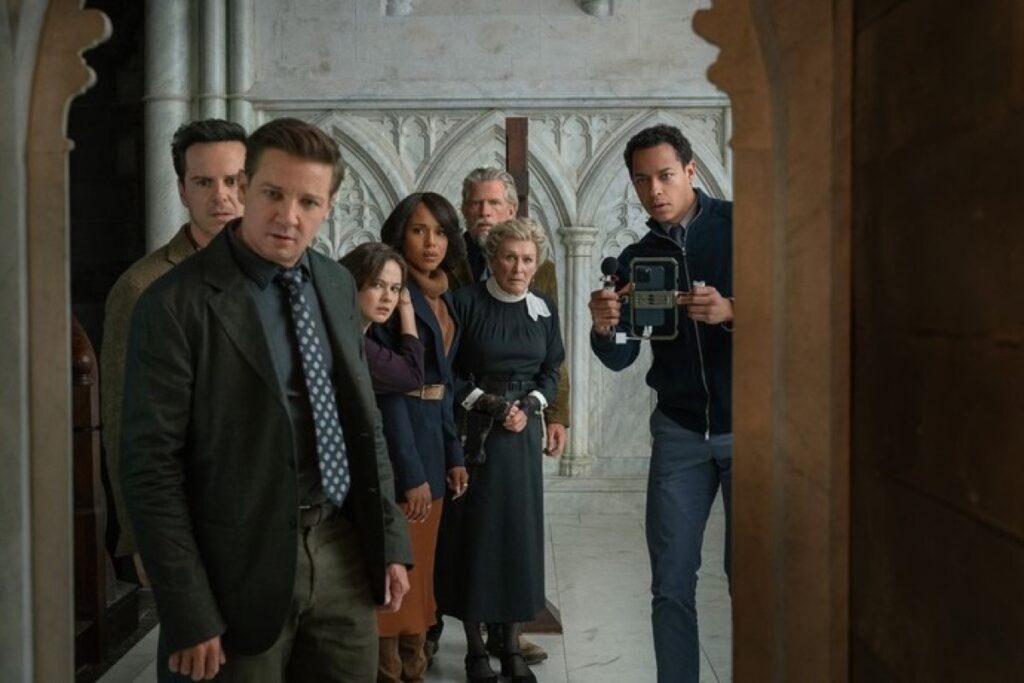
Wicks' core congregation looks on in shock. Netflix
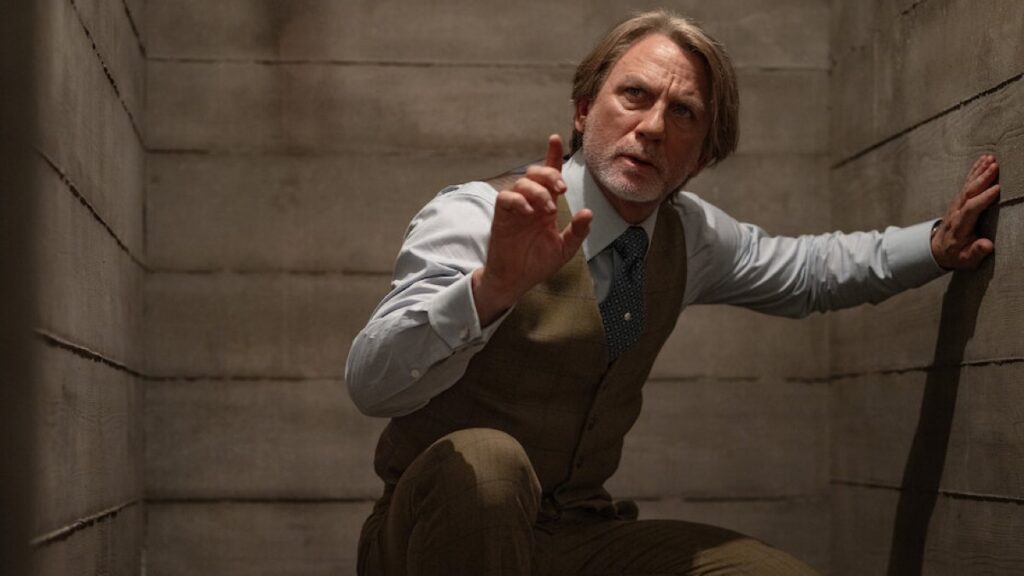
Fortunately Benoit Blanc is on the case. Netflix
Wicks' core congregation looks on in shock. Netflix
Fortunately Benoit Blanc is on the case. Netflix
In fact, the church and rectory set was Yedlin’s favorite for filming. “It’s so beautiful on every level,” he said. “It’s just so nuanced and has so much character. It’s so right thematically, and it has so many different facets to it; we have all these different areas. And logistically, they set it up for us with the lighting to be able to do so many different looks.”
For instance, there were clear textured windows on both sides of the church to make it easier for Yedlin to manipulate the lighting, and colored glass at the top to conceal all the rigging. “It’s not a showoff cinematography thing,” he said. “The technical part’s already been figured out and it feels like you’re just being creative and painting with light. So we can use the limited time we have on set to really finesse and elevate it.”
That technical control over the lighting also helped Yedlin handle darker scenes. “I like to see stuff in movies,” he said. “It’s always storytelling. It’s being evocative of that thing rather than doing it literally. Sometimes people forget that everything’s a style. Realism is a style. Especially when things are supposed to be very dim, it’s always impressionistic. It’s somebody’s impression because when things are literally dark, the three receptors in your eye, only the medium one works and you can’t see color. So to actually be able to see the image, it’s got to be somebody’s impression or evocative way of showing that it’s dark.”
Contrast was key. “If you get a lot of inky black into the frame, that doesn’t mean the whole shot’s really dark,” he said. “For the most part, the stuff that feels dark is because it has lots of darkness in the shot, not because you’re struggling to see the things that you need to see. I think there has been a trend lately for things to be dim and flat, so there’s this even, dull look to it. That can be described as ‘dark,’ but this is getting the same thing done with contrast.”
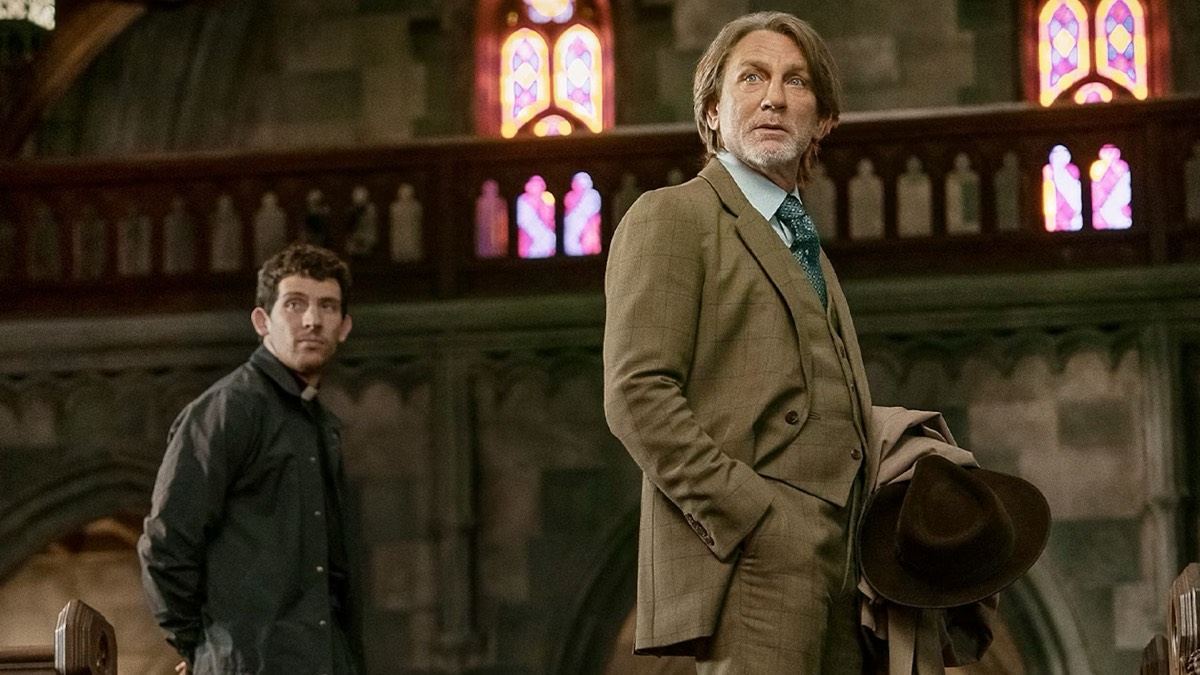
The tension between faith and reason is embodied by Duplenticy and Blanc. Netflix
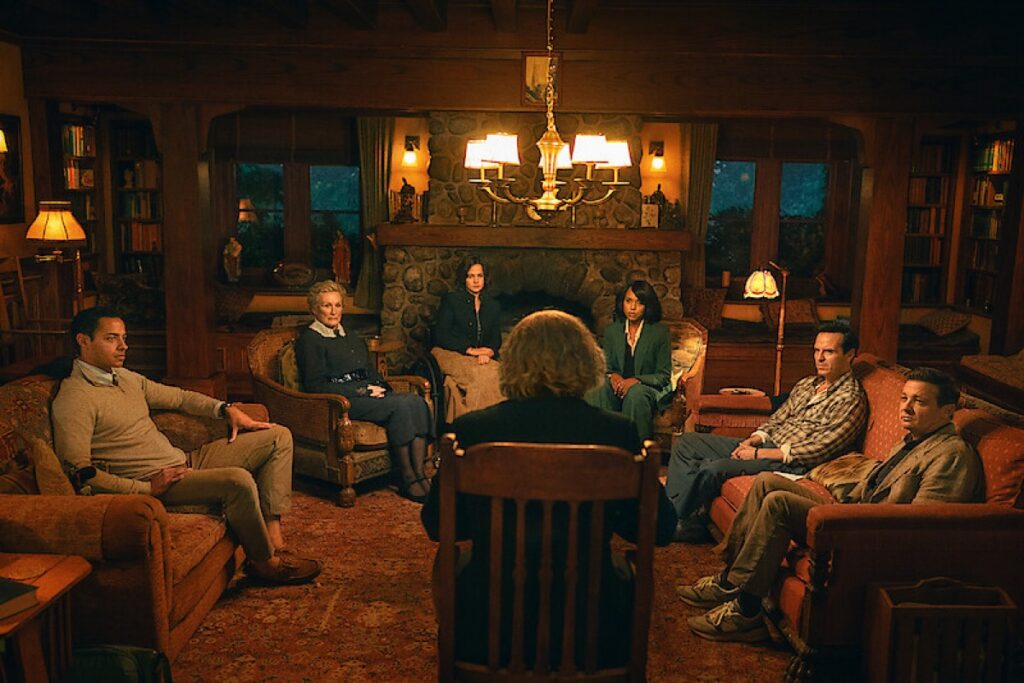
A flashback to Wicks' last meeting with his cultish flock. Netflix
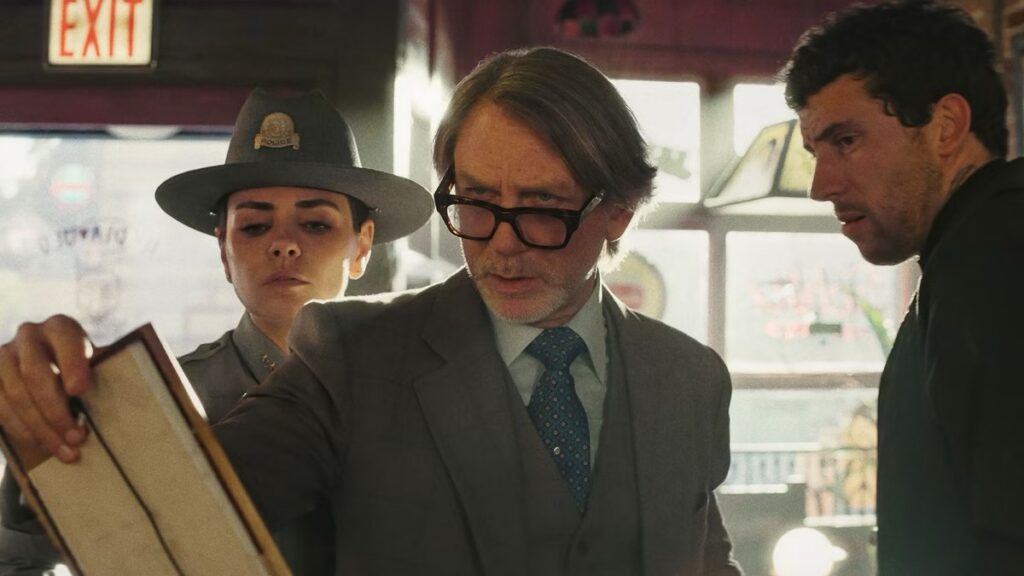
Blanc and Duplenticy work with the local police chief (Mila Kunis) to solve the murder. Netflix
A flashback to Wicks' last meeting with his cultish flock. Netflix
Blanc and Duplenticy work with the local police chief (Mila Kunis) to solve the murder. Netflix
He also had two stage backings on set rather than just one flat painted backing. “When something is just flat and painted and reflective, you can’t fully control the contrast because this is not an OLED, it’s paint,” said Yedlin. “From the brightest white to the darkest black, there’s a limited contrast between those.”
For example, “With trees and sky being separate, if we have a night scene, I can put no light on the trees so they’re fully silhouetted and then put a dim blue glow on the sky so there’s a silhouette against a deep blue sky,” said Yedlin. “Or when it’s a bright day, I can front light [the scene] and blast both of them to where there’s texture there, but it’s getting close to being blown out. Or if it’s dusk, we can get a big separation between the sky and the trees, where you can still see the trees instead of them being in silhouette.”
Yedlin even figured out how to combine light control technology with lightweight monists to create the look of firelight flickering in a character’s eyes or eyeglasses—just one more way to heighten contrast to convey a mood. “You’re always learning,” he said. “You never want to get stuck in your ways. It’s exciting to able to do things differently. This movie felt like we were pushing forward in several realms, and Rian knows how to make it so much fun for everyone.”
Wake Up Dead Man is now streaming on Netflix.
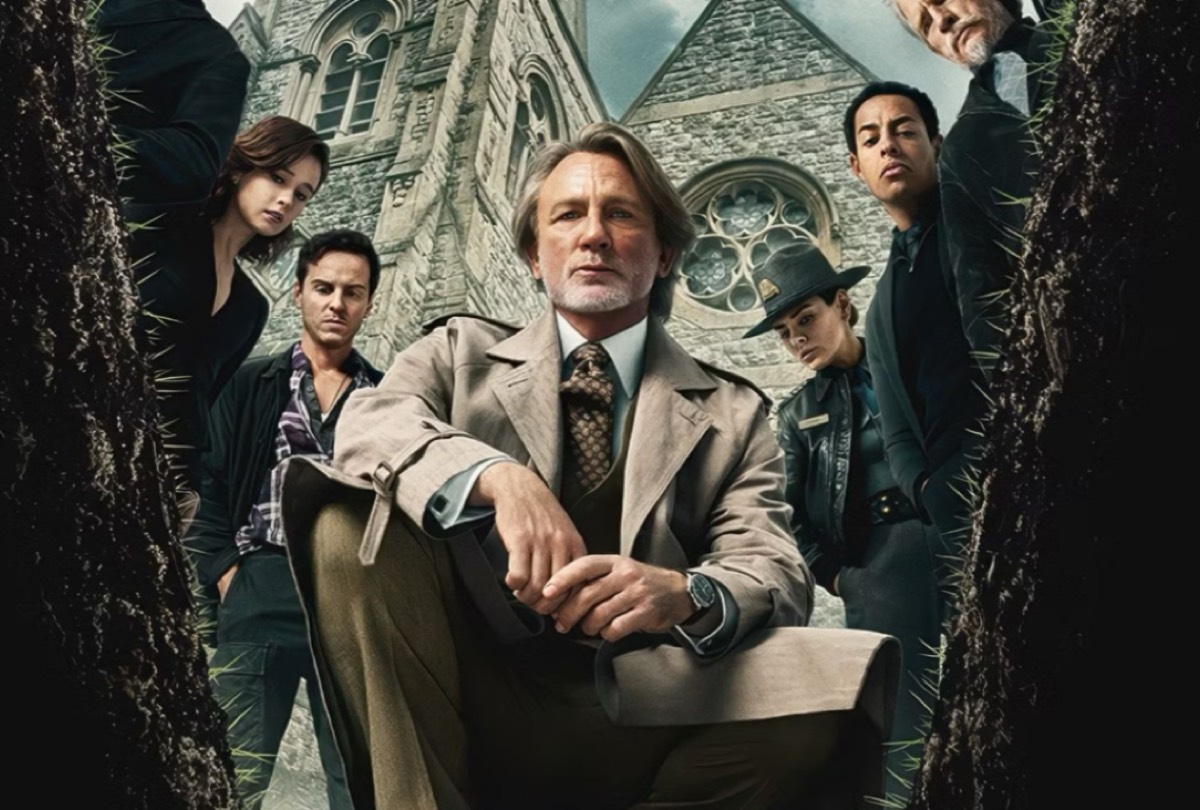
Credit: Netflix
Rian Johnson has another Benoit Blanc hit on his hands with Wake Up Dead Man, in which Blanc tackles the strange death of a fire-and-brimstone parish priest, Monseigneur Jefferson Wicks (Josh Brolin). It’s a classic locked-room mystery in a spookily Gothic small-town setting, and Johnson turned to cinematographer Steve Yedlin (Looper, The Last Jedi) to help realize his artistic vision.
(Minor spoilers below but no major reveals.)
Yedlin worked on the previous two Knives Out installments. He’s known Johnson since the two were in their teens, and that longstanding friendship ensures that they are on the same page, aesthetically, from the start when they work on projects.
“We don’t have to test each other,” Yedlin told Ars. “There isn’t that figuring out period. We get to use the prep time in a way that’s really efficient and makes the movie better because we’re [in agreement] from the very first moment of whatever time we have crafting and honing and sculpting this movie. We don’t waste time talking abstractions or making sure we have the same taste. We can just dive right into the details of each individual scene and shot.”
This time, given the distinctive Gothic sensibility of Wake Up Dead Man, Yedlin played up the interplay between light and dark. For instance, Johnson’s script called for the occasional dramatic lighting changes, sometimes within the same scene. Case in point: When Wick is delivering his trademark hellfire-and-brimstone sermon in the pulpit, the sun bursts out of the clouds for a brief moment and illuminates him, before the clouds move back to cover the sun once again. Even Blanc gets his moment in the sun, so to speak, with his “road to Damascus” moment just before the final reveal.
“In the church, we have day, night, dawn, dusk,” said Yedlin. “We have early morning rays slashing in. As Wick’s speech swells up, the sun bursts out from behind the clouds and flares the lens. We had custom light control software so they can both control and tweak all the nuances of the lighting and also do the cues themselves where it’s changing during the shot, where it’s very flexible and we can be creative in the moment. It’s very repeatable and dependable and you can just push a button and it happens on the same line over the same length of time, every time.”
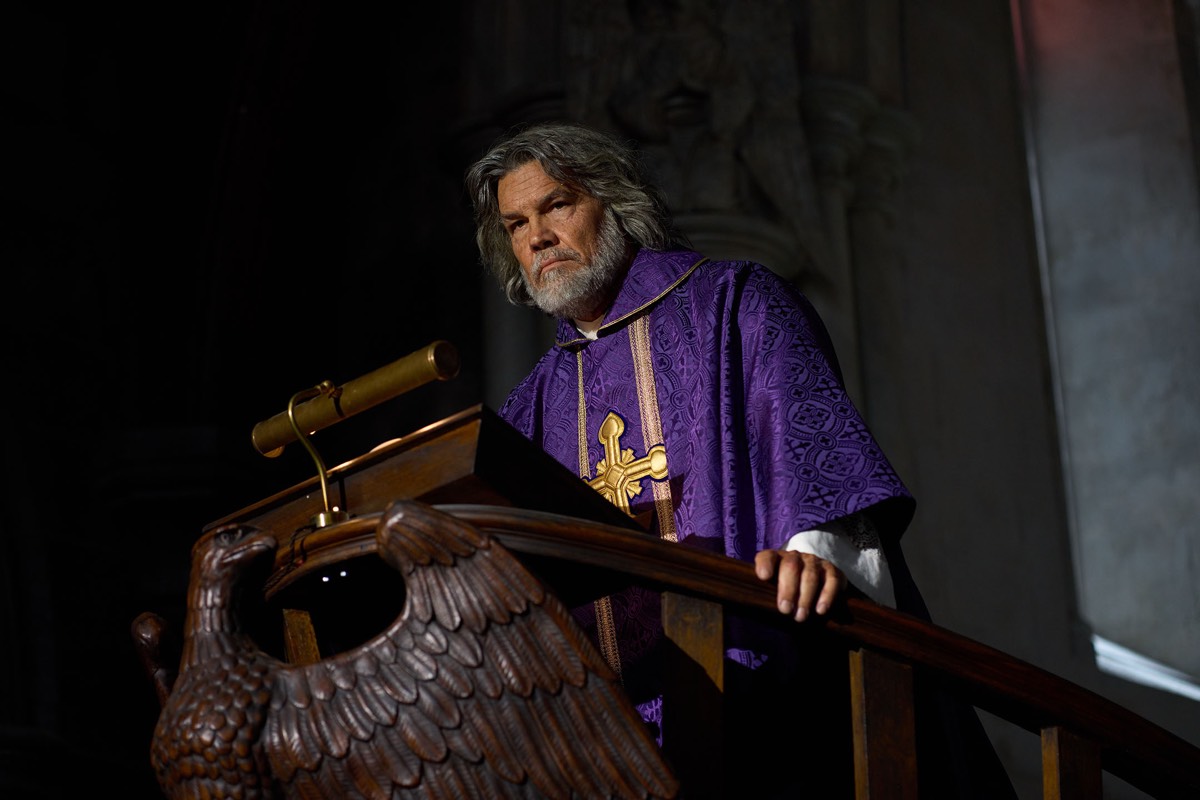
The script called for dramatic lighting changes even within single scenes, such as Msgr. Jefferson Wicks' (Josh Brolin) fiery sermon. Netflix
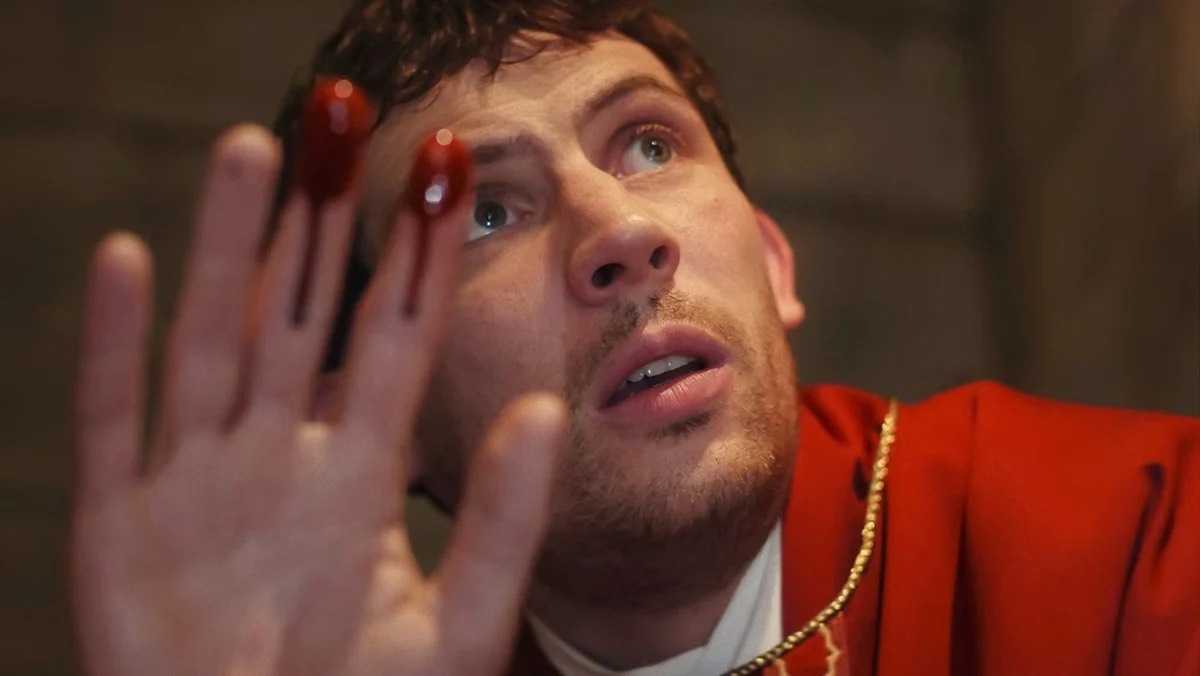
Rev. Jud Duplenticy (Josh O'Connor) is the prime suspect when Wicks is murdered. Netflix
The script called for dramatic lighting changes even within single scenes, such as Msgr. Jefferson Wicks' (Josh Brolin) fiery sermon. Netflix
Rev. Jud Duplenticy (Josh O'Connor) is the prime suspect when Wicks is murdered. Netflix
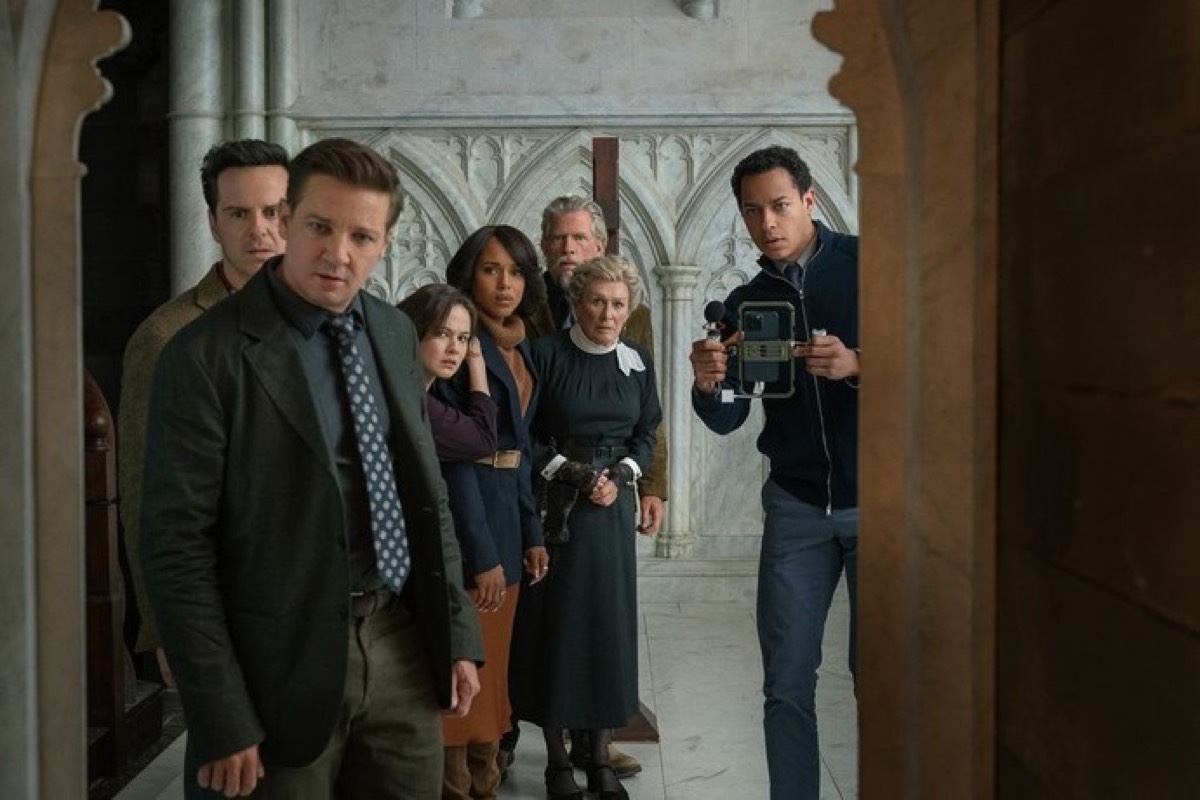
Wicks' core congregation looks on in shock. Netflix
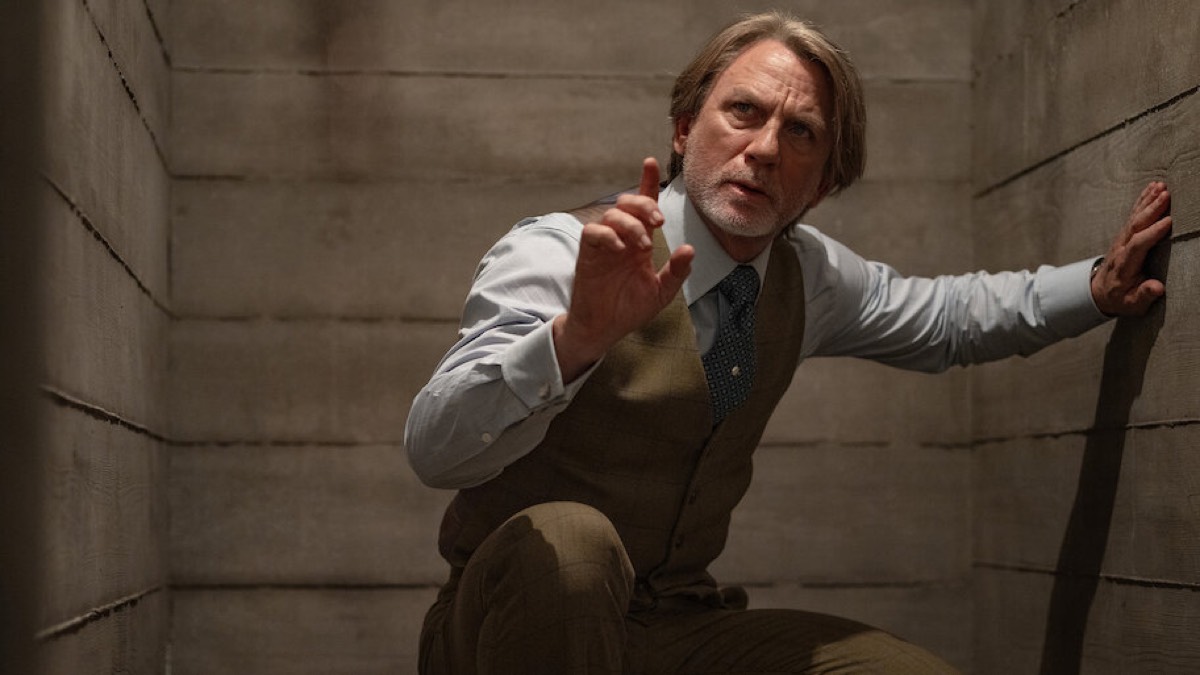
Fortunately Benoit Blanc is on the case. Netflix
Wicks' core congregation looks on in shock. Netflix
Fortunately Benoit Blanc is on the case. Netflix
In fact, the church and rectory set was Yedlin’s favorite for filming. “It’s so beautiful on every level,” he said. “It’s just so nuanced and has so much character. It’s so right thematically, and it has so many different facets to it; we have all these different areas. And logistically, they set it up for us with the lighting to be able to do so many different looks.”
For instance, there were clear textured windows on both sides of the church to make it easier for Yedlin to manipulate the lighting, and colored glass at the top to conceal all the rigging. “It’s not a showoff cinematography thing,” he said. “The technical part’s already been figured out and it feels like you’re just being creative and painting with light. So we can use the limited time we have on set to really finesse and elevate it.”
That technical control over the lighting also helped Yedlin handle darker scenes. “I like to see stuff in movies,” he said. “It’s always storytelling. It’s being evocative of that thing rather than doing it literally. Sometimes people forget that everything’s a style. Realism is a style. Especially when things are supposed to be very dim, it’s always impressionistic. It’s somebody’s impression because when things are literally dark, the three receptors in your eye, only the medium one works and you can’t see color. So to actually be able to see the image, it’s got to be somebody’s impression or evocative way of showing that it’s dark.”
Contrast was key. “If you get a lot of inky black into the frame, that doesn’t mean the whole shot’s really dark,” he said. “For the most part, the stuff that feels dark is because it has lots of darkness in the shot, not because you’re struggling to see the things that you need to see. I think there has been a trend lately for things to be dim and flat, so there’s this even, dull look to it. That can be described as ‘dark,’ but this is getting the same thing done with contrast.”
The tension between faith and reason is embodied by Duplenticy and Blanc. Netflix
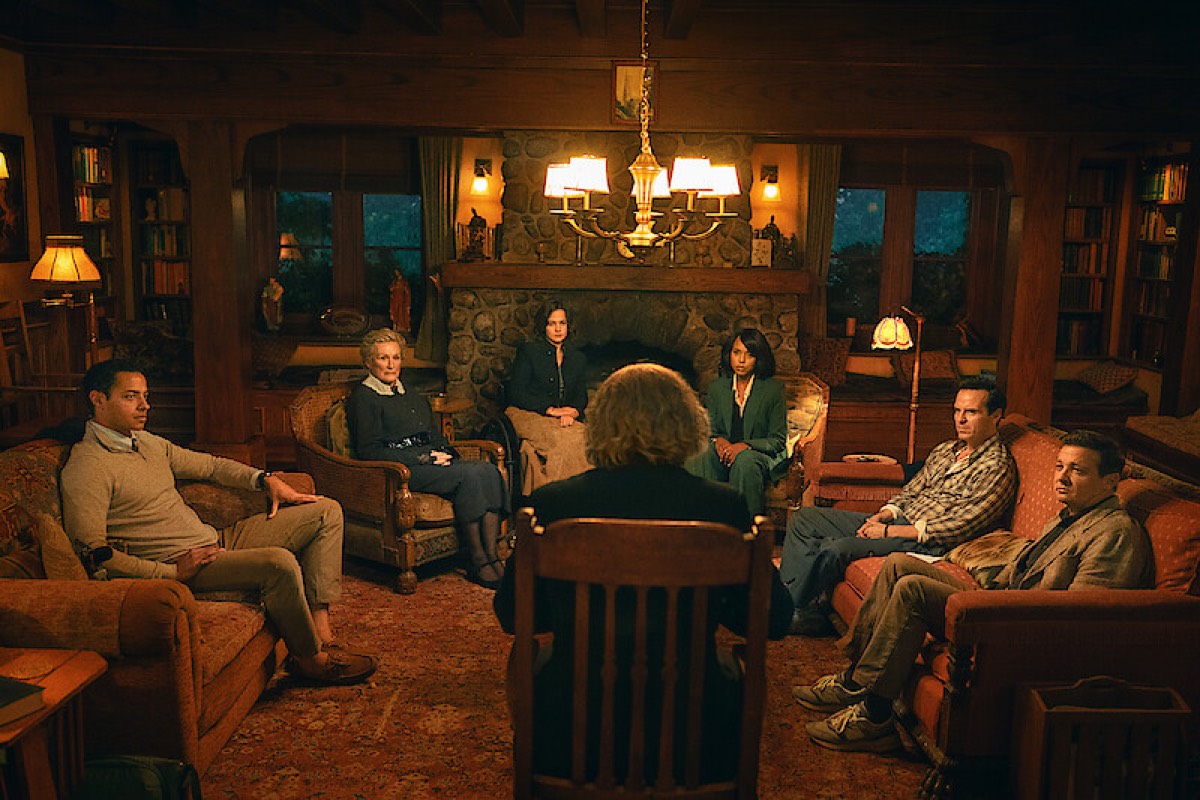
A flashback to Wicks' last meeting with his cultish flock. Netflix
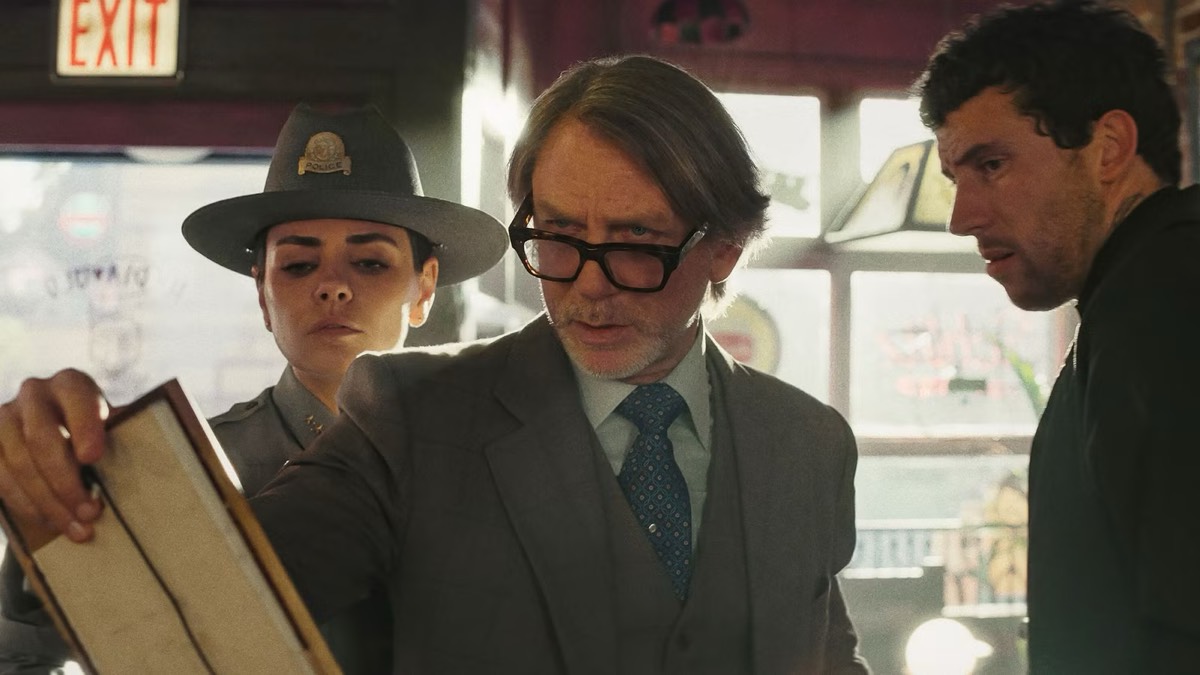
Blanc and Duplenticy work with the local police chief (Mila Kunis) to solve the murder. Netflix
A flashback to Wicks' last meeting with his cultish flock. Netflix
Blanc and Duplenticy work with the local police chief (Mila Kunis) to solve the murder. Netflix
He also had two stage backings on set rather than just one flat painted backing. “When something is just flat and painted and reflective, you can’t fully control the contrast because this is not an OLED, it’s paint,” said Yedlin. “From the brightest white to the darkest black, there’s a limited contrast between those.”
For example, “With trees and sky being separate, if we have a night scene, I can put no light on the trees so they’re fully silhouetted and then put a dim blue glow on the sky so there’s a silhouette against a deep blue sky,” said Yedlin. “Or when it’s a bright day, I can front light [the scene] and blast both of them to where there’s texture there, but it’s getting close to being blown out. Or if it’s dusk, we can get a big separation between the sky and the trees, where you can still see the trees instead of them being in silhouette.”
Yedlin even figured out how to combine light control technology with lightweight monists to create the look of firelight flickering in a character’s eyes or eyeglasses—just one more way to heighten contrast to convey a mood. “You’re always learning,” he said. “You never want to get stuck in your ways. It’s exciting to able to do things differently. This movie felt like we were pushing forward in several realms, and Rian knows how to make it so much fun for everyone.”
Wake Up Dead Man is now streaming on Netflix.
