


- Регистрация
- 17 Февраль 2018
- Сообщения
- 40 830
- Лучшие ответы
- 0
- Реакции
- 0
- Баллы
- 8 093
Offline
“The Artemis III mission and those beyond should be canceled.”
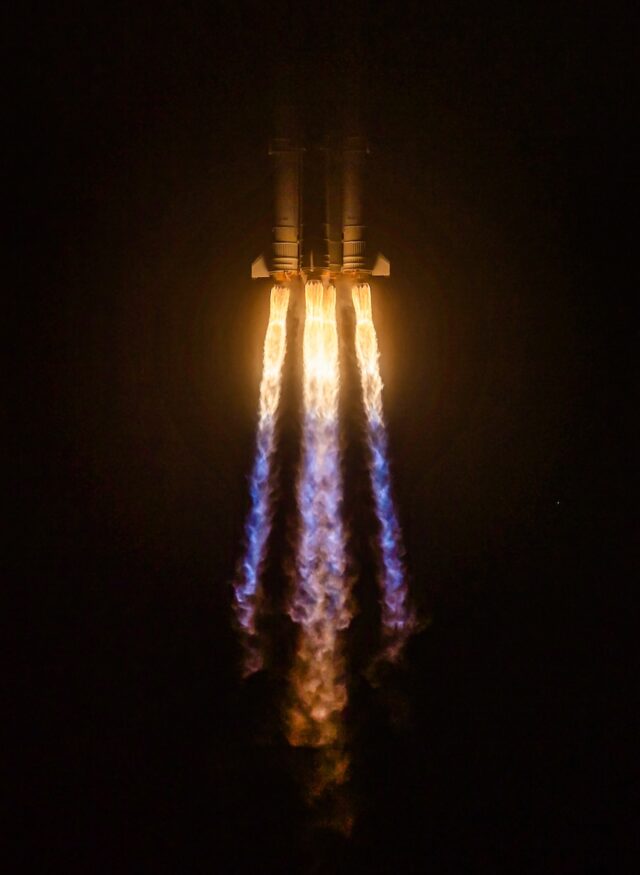
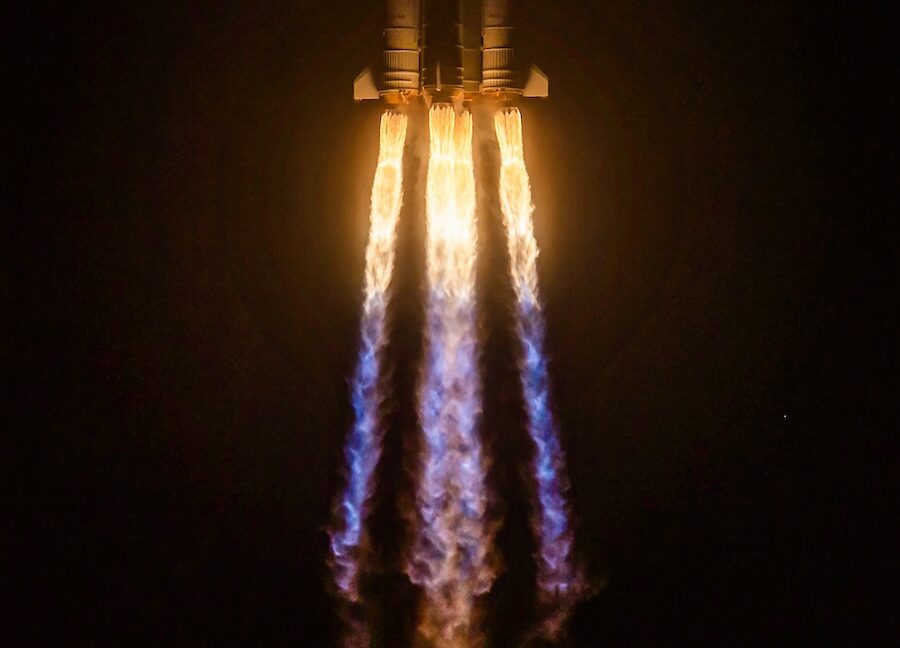
A Long March 7A rocket carrying the TJS-16 satellite lifts off from the Wenchang Space Launch Site on March 30, 2025, in Wenchang, Hainan Province of China. Credit: Liu Guoxing/VCG via Getty Images
In recent months, it has begun dawning on US lawmakers that, absent significant intervention, China will land humans on the Moon before the United States can return there with the Artemis Program.
So far, legislators have yet to take meaningful action on this—a $10 billion infusion into NASA’s budget this summer essentially provided zero funding for efforts needed to land humans on the Moon this decade. But now a subcommittee of the House Committee on Space, Science, and Technology has begun reviewing the space agency’s policy, expressing concerns about Chinese competition in civil spaceflight.
During a hearing on Thursday in Washington, DC, the subcommittee members asked a panel of experts how NASA could maintain its global leadership in space over China in general, and more specifically, how to improve the Artemis Program to reach the Moon more quickly.
“It cannot work”
The most stringent criticism of the Artemis Program was offered by former NASA Administrator Mike Griffin. He has long been a critic of NASA’s approach toward establishing what the space agency views as a “sustainable” path back to the Moon, which relies on reusable lunar landers that are refueled in space.
Griffin reiterated that criticism on Thursday, without naming SpaceX or Blue Origin, and their Starship and Blue Moon Mk 2 landers.
“The bottom line is that an architecture which requires a high number of refueling flights in low-Earth orbit, no one really knows how many, uses a technology that has not yet ever been demonstrated in space, is very unlikely to work—unlikely to the point where I will say it cannot work,” Griffin said.
As they asked questions, some House members noted that China has done a better job of establishing long-term plans for space exploration and then sticking to them. NASA, by contrast, has been whipsawed by changing leadership in the White House and Congress over its programs and their aims. Would it not be better to stay the course?
“Sticking to a plan is important when the plan makes sense,” Griffin said. “China is sticking to a plan that makes sense. It looks a lot, in fact, like what the United States did for Apollo. Provably, that worked. Sticking to a plan that will not work for Artemis III and beyond makes no sense.”
As for what to do about it, Griffin said legislators should end the present plan.
“The Artemis III mission and those beyond should be canceled and we should start over, proceeding with all deliberate speed,” Griffin said. He included a link to his plan, which is not dissimilar from the “Apollo on Steroids” architecture he championed two decades ago, but was later found to be unaffordable within NASA’s existing budget.
“There need to be consequences”
Other panel members offered more general advice.
Clayton Swope, deputy director of the Aerospace Security Project for the Center for Strategic and International Studies, said NASA should continue to serve as an engine for US success in space and science. He cited the Commercial Lunar Payload Services program, which has stimulated a growing lunar industry. He also said NASA spending on basic research and development is a critical feedstock for US innovation, and a key advantage over the People’s Republic of China.
“When you’re looking at the NASA authorization legislation, look at it in a way where you are the genesis of that innovation ecosystem, that flywheel that really powers US national security and economic security, in a way that the PRC just can’t match,” Swope said. “Without science, we would never have had something like the Manhattan Project.”
Another witness, Dean Cheng of the Potomac Institute for Policy Studies, said NASA—and by extension Congress—must do a better job of holding itself and its contractors accountable.
Many of NASA’s major exploration programs, including the Orion spacecraft, Space Launch System rocket, and their ground systems, have run years behind schedule and billions of dollars over budget in the last 15 years. NASA has funded these programs with cost-plus contracts, so it has had limited ability to enforce deadlines with contractors. Moreover, Congress has more or less meekly gone along with the delays and continued funding the programs.
Cheng said that whatever priorities policymakers decide for NASA, failing to achieve objectives should come with consequences.
“One, it needs to be bipartisan, to make very clear throughout our system that this is something that everyone is pushing for,” Cheng said of establishing priorities for NASA. “And two, that there are consequences, budgetary, legal, and otherwise, to the agency, to supplying companies. If they fail to deliver on time and on budget, that it will not be a ‘Well, okay, let’s try again next year.’ There need to be consequences.”
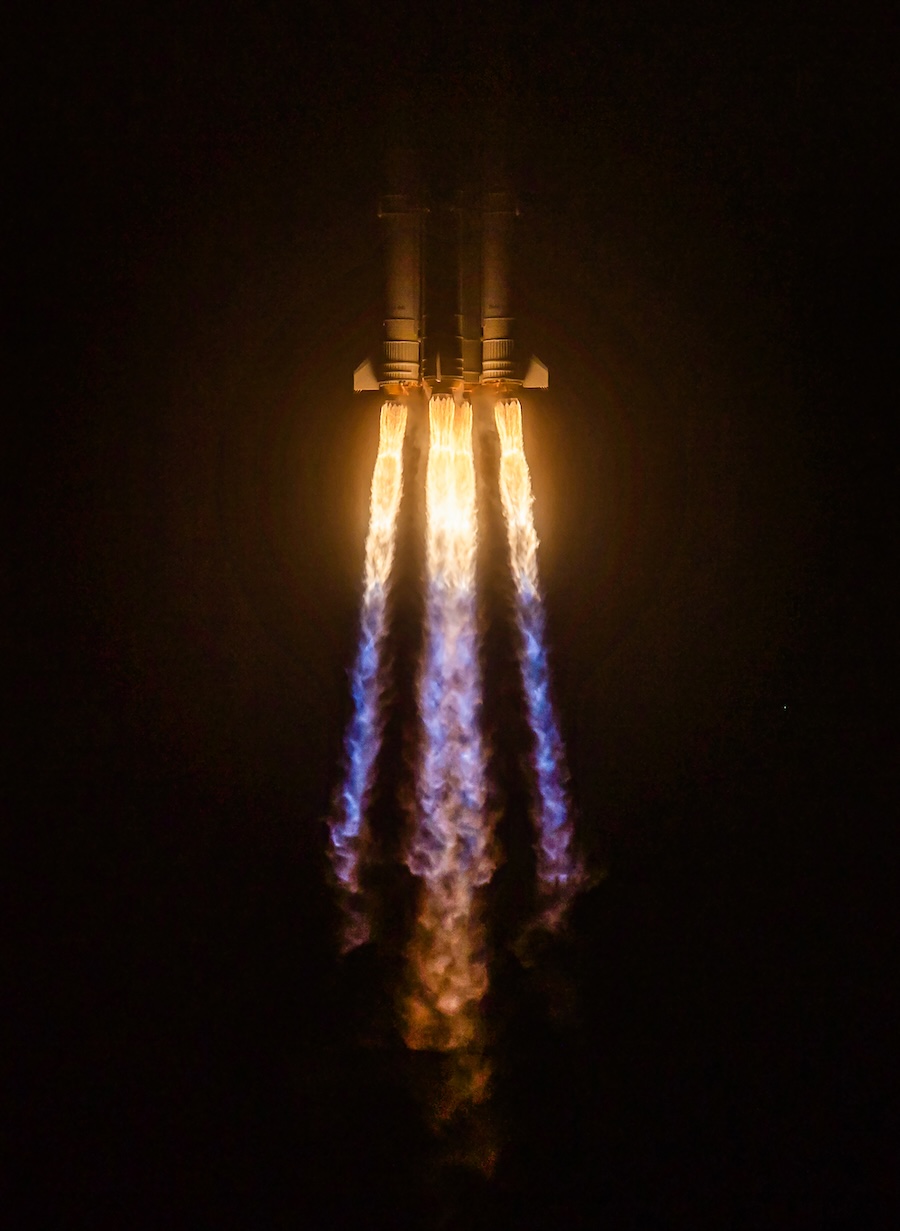
A Long March 7A rocket carrying the TJS-16 satellite lifts off from the Wenchang Space Launch Site on March 30, 2025, in Wenchang, Hainan Province of China. Credit: Liu Guoxing/VCG via Getty Images
In recent months, it has begun dawning on US lawmakers that, absent significant intervention, China will land humans on the Moon before the United States can return there with the Artemis Program.
So far, legislators have yet to take meaningful action on this—a $10 billion infusion into NASA’s budget this summer essentially provided zero funding for efforts needed to land humans on the Moon this decade. But now a subcommittee of the House Committee on Space, Science, and Technology has begun reviewing the space agency’s policy, expressing concerns about Chinese competition in civil spaceflight.
During a hearing on Thursday in Washington, DC, the subcommittee members asked a panel of experts how NASA could maintain its global leadership in space over China in general, and more specifically, how to improve the Artemis Program to reach the Moon more quickly.
“It cannot work”
The most stringent criticism of the Artemis Program was offered by former NASA Administrator Mike Griffin. He has long been a critic of NASA’s approach toward establishing what the space agency views as a “sustainable” path back to the Moon, which relies on reusable lunar landers that are refueled in space.
Griffin reiterated that criticism on Thursday, without naming SpaceX or Blue Origin, and their Starship and Blue Moon Mk 2 landers.
“The bottom line is that an architecture which requires a high number of refueling flights in low-Earth orbit, no one really knows how many, uses a technology that has not yet ever been demonstrated in space, is very unlikely to work—unlikely to the point where I will say it cannot work,” Griffin said.
As they asked questions, some House members noted that China has done a better job of establishing long-term plans for space exploration and then sticking to them. NASA, by contrast, has been whipsawed by changing leadership in the White House and Congress over its programs and their aims. Would it not be better to stay the course?
“Sticking to a plan is important when the plan makes sense,” Griffin said. “China is sticking to a plan that makes sense. It looks a lot, in fact, like what the United States did for Apollo. Provably, that worked. Sticking to a plan that will not work for Artemis III and beyond makes no sense.”
As for what to do about it, Griffin said legislators should end the present plan.
“The Artemis III mission and those beyond should be canceled and we should start over, proceeding with all deliberate speed,” Griffin said. He included a link to his plan, which is not dissimilar from the “Apollo on Steroids” architecture he championed two decades ago, but was later found to be unaffordable within NASA’s existing budget.
“There need to be consequences”
Other panel members offered more general advice.
Clayton Swope, deputy director of the Aerospace Security Project for the Center for Strategic and International Studies, said NASA should continue to serve as an engine for US success in space and science. He cited the Commercial Lunar Payload Services program, which has stimulated a growing lunar industry. He also said NASA spending on basic research and development is a critical feedstock for US innovation, and a key advantage over the People’s Republic of China.
“When you’re looking at the NASA authorization legislation, look at it in a way where you are the genesis of that innovation ecosystem, that flywheel that really powers US national security and economic security, in a way that the PRC just can’t match,” Swope said. “Without science, we would never have had something like the Manhattan Project.”
Another witness, Dean Cheng of the Potomac Institute for Policy Studies, said NASA—and by extension Congress—must do a better job of holding itself and its contractors accountable.
Many of NASA’s major exploration programs, including the Orion spacecraft, Space Launch System rocket, and their ground systems, have run years behind schedule and billions of dollars over budget in the last 15 years. NASA has funded these programs with cost-plus contracts, so it has had limited ability to enforce deadlines with contractors. Moreover, Congress has more or less meekly gone along with the delays and continued funding the programs.
Cheng said that whatever priorities policymakers decide for NASA, failing to achieve objectives should come with consequences.
“One, it needs to be bipartisan, to make very clear throughout our system that this is something that everyone is pushing for,” Cheng said of establishing priorities for NASA. “And two, that there are consequences, budgetary, legal, and otherwise, to the agency, to supplying companies. If they fail to deliver on time and on budget, that it will not be a ‘Well, okay, let’s try again next year.’ There need to be consequences.”
