


- Регистрация
- 17 Февраль 2018
- Сообщения
- 40 832
- Лучшие ответы
- 0
- Реакции
- 0
- Баллы
- 8 093
Offline
“It has been a great privilege to lead ULA through its transformation and to bring Vulcan into service.”
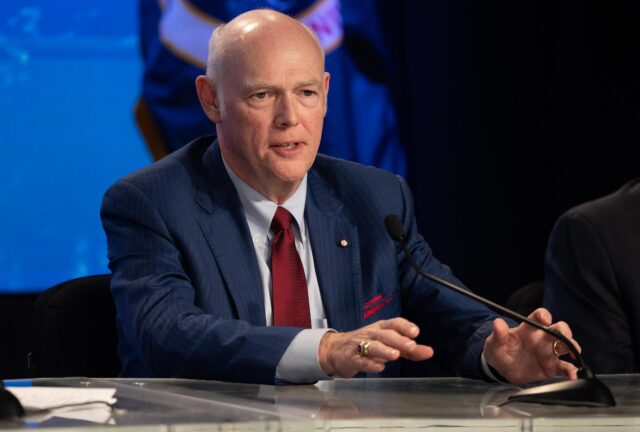
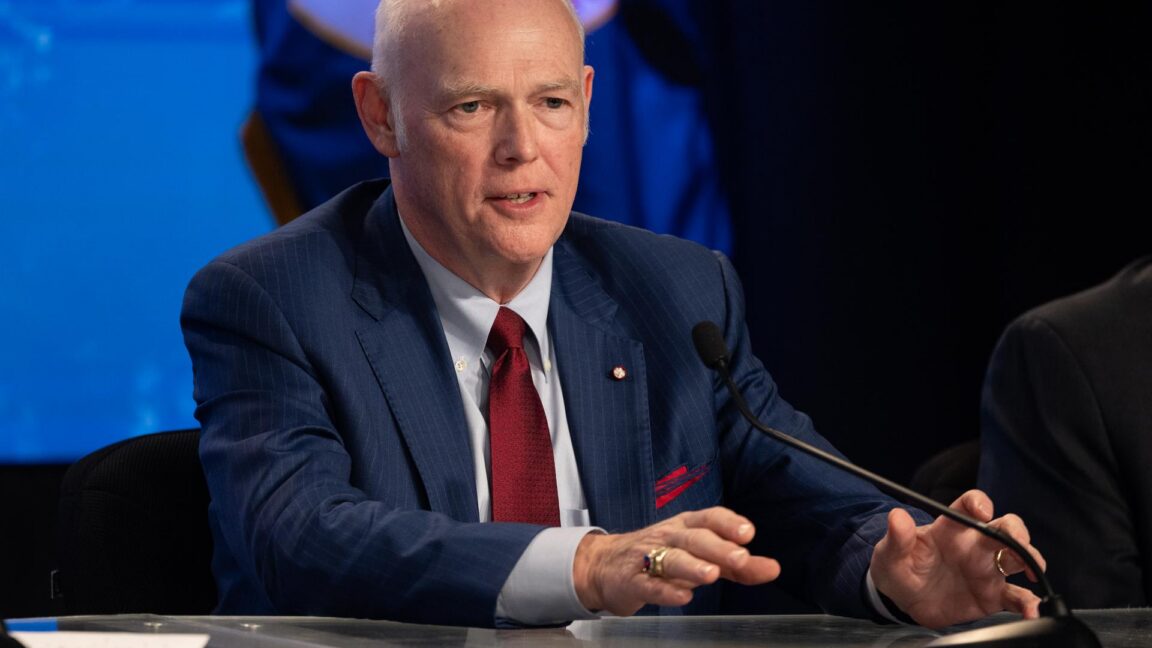
Tory Bruno, the former president and CEO of United Launch Alliance, participates in a news conference at NASA's Kennedy Space Center, Florida, in 2024. Credit: NASA/Joel Kowsky
Tory Bruno, a veteran engineer and aerospace industry executive, has resigned from the top job at United Launch Alliance after more than a decade competing against the growing dominance of SpaceX, the company announced Monday.
The news of Bruno’s sudden resignation was unexpected. His tenure was marked by a decline in ULA’s market share as rival SpaceX competed for and won ever-larger US government launch contracts. More recently, Bruno oversaw the successful debut of ULA’s Vulcan rocket, followed by struggles to ramp up the new rocket’s launch cadence.
Bruno had a 30-year career as an engineer and general manager for Lockheed Martin’s ballistic missile programs before taking over as president and CEO of United Launch Alliance in August 2014. He arrived as SpaceX started making inroads with its partially reusable Falcon 9 rocket, and ULA’s leading position in the US launch market looked to be in doubt.
In his first year, Bruno announced what would become the Vulcan rocket and the phaseout of ULA’s legacy Atlas and Delta launch vehicles. He also selected Jeff Bezos’ Blue Origin, then an emerging space company, to build the Vulcan rocket’s booster engines, bypassing the industry’s established propulsion contractor.
The decision to develop a new rocket and the selection of the engine to power it proved to be correct. The Atlas V rocket, now nearing retirement, is powered by Russian engines, a nonstarter in today’s geopolitical reality, and the already-retired Delta IV launch vehicle was prohibitively expensive. The Vulcan rocket has been successful in all three of its flights so far, and the performance of Blue Origin’s liquid-fueled BE-4 engine has, by all accounts, been exceptional.
Hard times at the rocket ranch
But ULA’s potential for regaining its position atop the launch market was hamstrung by the company’s decision to make the Vulcan rocket fully expendable. There are long-term plans to recover and reuse the rocket’s main engines, but not the entire booster. And the new rocket’s entry into service has not been smooth. The Vulcan rocket flew just once this year after receiving certification from the US Space Force to carry national security satellites into orbit, well short of Bruno’s goal of flying the new launcher up to 10 times.
The retirement of the Atlas V and Delta IV led to a period of downsizing for United Launch Alliance, with layoffs and facility closures in Florida, California, Alabama, Colorado, and Texas. In a further sign of ULA’s troubles, SpaceX won a majority of US military launch contracts for the first time last year.
Bruno, 64, served as a genial public face for ULA amid the company’s difficult times. He routinely engaged with space enthusiasts on social media, fielded questions from reporters, and even started a podcast. Bruno’s friendly and accessible demeanor was unusual among industry leaders, especially those with ties to large legacy defense contractors.
ULA is a 50-50 joint venture between Boeing and Lockheed Martin, which merged their rocket divisions in 2006. Bruno’s plans did not always enjoy full support from ULA’s corporate owners. For example, Boeing and Lockheed initially only approved tranches of funding for developing the new Vulcan rocket on a quarterly basis. Beginning before Bruno’s arrival and extending into his tenure as CEO, ULA’s owners slow-walked development of an advanced upper stage that might have become a useful centerpiece for an innovative in-space transport and refueling infrastructure.
There were also rumors in recent years of an impending sale of ULA by Boeing and Lockheed Martin, but nothing has materialized so far.
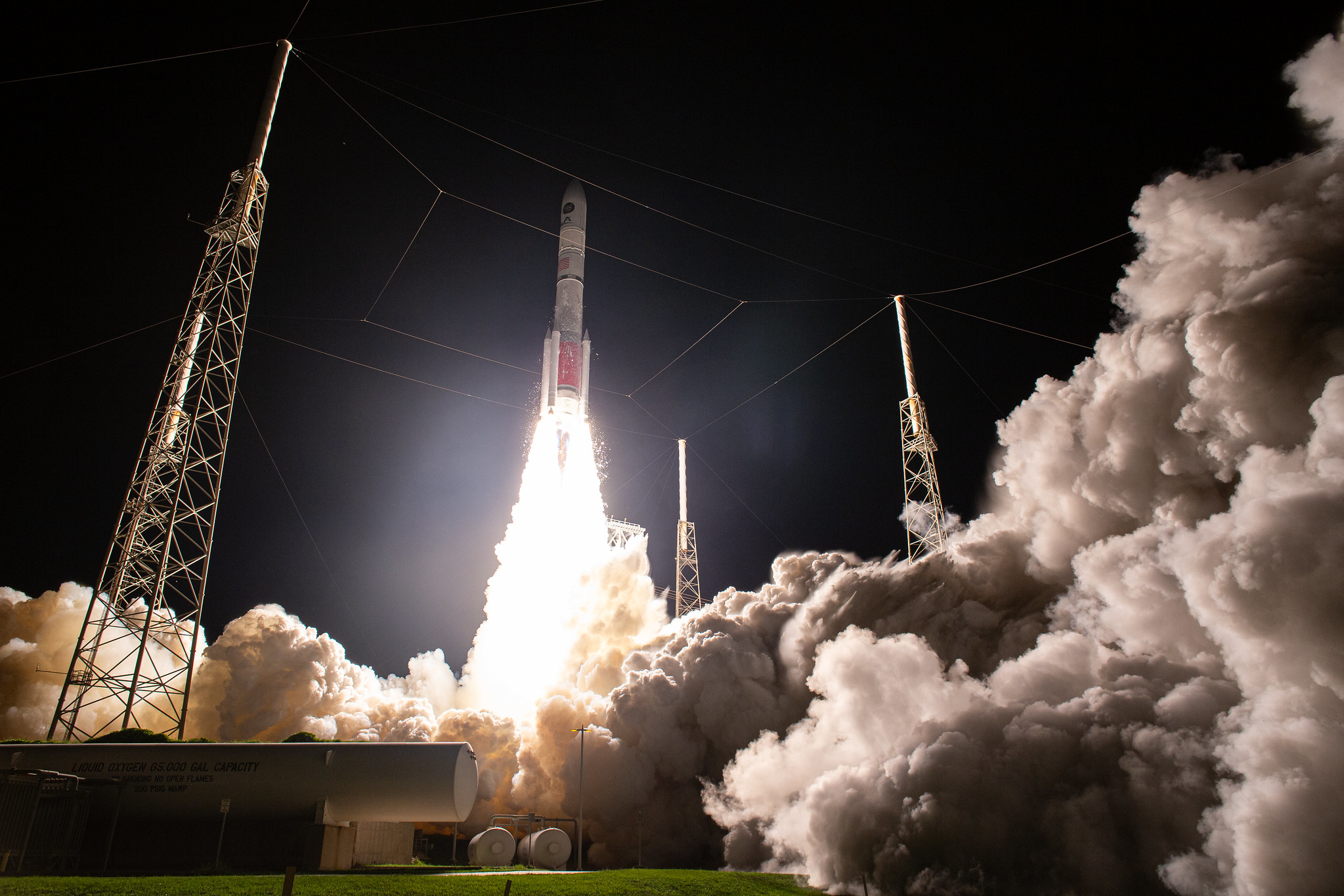
The third flight of the Vulcan rocket lifted off from Cape Canaveral Space Force Station, Florida, on August 12, 2025. Credit: United Launch Alliance
A statement from the co-chairs of ULA’s board, Robert Lightfoot of Lockheed Martin and Kay Sears of Boeing, did not identify a reason for Bruno’s resignation, other than saying he is stepping down “to pursue another opportunity.”
“We are grateful for Tory’s service to ULA and the country, and we thank him for his leadership,” the board chairs said in a statement.
John Elbon, ULA’s chief operating officer, will take over as interim CEO effective immediately, the company said.
“We have the greatest confidence in John to continue strengthening ULA’s momentum while the board proceeds with finding the next leader of ULA,” the company said. “Together with Mark Peller, the new COO, John’s career in aerospace and his launch expertise is an asset for ULA and its customers, especially for achieving key upcoming Vulcan milestones.”
In a post on X, Bruno thanked ULA’s owners for the opportunity to lead the company. “It has been a great privilege to lead ULA through its transformation and to bring Vulcan into service,” he wrote. “My work here is now complete and I will be cheering ULA on.”

Tory Bruno, the former president and CEO of United Launch Alliance, participates in a news conference at NASA's Kennedy Space Center, Florida, in 2024. Credit: NASA/Joel Kowsky
Tory Bruno, a veteran engineer and aerospace industry executive, has resigned from the top job at United Launch Alliance after more than a decade competing against the growing dominance of SpaceX, the company announced Monday.
The news of Bruno’s sudden resignation was unexpected. His tenure was marked by a decline in ULA’s market share as rival SpaceX competed for and won ever-larger US government launch contracts. More recently, Bruno oversaw the successful debut of ULA’s Vulcan rocket, followed by struggles to ramp up the new rocket’s launch cadence.
Bruno had a 30-year career as an engineer and general manager for Lockheed Martin’s ballistic missile programs before taking over as president and CEO of United Launch Alliance in August 2014. He arrived as SpaceX started making inroads with its partially reusable Falcon 9 rocket, and ULA’s leading position in the US launch market looked to be in doubt.
In his first year, Bruno announced what would become the Vulcan rocket and the phaseout of ULA’s legacy Atlas and Delta launch vehicles. He also selected Jeff Bezos’ Blue Origin, then an emerging space company, to build the Vulcan rocket’s booster engines, bypassing the industry’s established propulsion contractor.
The decision to develop a new rocket and the selection of the engine to power it proved to be correct. The Atlas V rocket, now nearing retirement, is powered by Russian engines, a nonstarter in today’s geopolitical reality, and the already-retired Delta IV launch vehicle was prohibitively expensive. The Vulcan rocket has been successful in all three of its flights so far, and the performance of Blue Origin’s liquid-fueled BE-4 engine has, by all accounts, been exceptional.
Hard times at the rocket ranch
But ULA’s potential for regaining its position atop the launch market was hamstrung by the company’s decision to make the Vulcan rocket fully expendable. There are long-term plans to recover and reuse the rocket’s main engines, but not the entire booster. And the new rocket’s entry into service has not been smooth. The Vulcan rocket flew just once this year after receiving certification from the US Space Force to carry national security satellites into orbit, well short of Bruno’s goal of flying the new launcher up to 10 times.
The retirement of the Atlas V and Delta IV led to a period of downsizing for United Launch Alliance, with layoffs and facility closures in Florida, California, Alabama, Colorado, and Texas. In a further sign of ULA’s troubles, SpaceX won a majority of US military launch contracts for the first time last year.
Bruno, 64, served as a genial public face for ULA amid the company’s difficult times. He routinely engaged with space enthusiasts on social media, fielded questions from reporters, and even started a podcast. Bruno’s friendly and accessible demeanor was unusual among industry leaders, especially those with ties to large legacy defense contractors.
ULA is a 50-50 joint venture between Boeing and Lockheed Martin, which merged their rocket divisions in 2006. Bruno’s plans did not always enjoy full support from ULA’s corporate owners. For example, Boeing and Lockheed initially only approved tranches of funding for developing the new Vulcan rocket on a quarterly basis. Beginning before Bruno’s arrival and extending into his tenure as CEO, ULA’s owners slow-walked development of an advanced upper stage that might have become a useful centerpiece for an innovative in-space transport and refueling infrastructure.
There were also rumors in recent years of an impending sale of ULA by Boeing and Lockheed Martin, but nothing has materialized so far.
The third flight of the Vulcan rocket lifted off from Cape Canaveral Space Force Station, Florida, on August 12, 2025. Credit: United Launch Alliance
A statement from the co-chairs of ULA’s board, Robert Lightfoot of Lockheed Martin and Kay Sears of Boeing, did not identify a reason for Bruno’s resignation, other than saying he is stepping down “to pursue another opportunity.”
“We are grateful for Tory’s service to ULA and the country, and we thank him for his leadership,” the board chairs said in a statement.
John Elbon, ULA’s chief operating officer, will take over as interim CEO effective immediately, the company said.
“We have the greatest confidence in John to continue strengthening ULA’s momentum while the board proceeds with finding the next leader of ULA,” the company said. “Together with Mark Peller, the new COO, John’s career in aerospace and his launch expertise is an asset for ULA and its customers, especially for achieving key upcoming Vulcan milestones.”
In a post on X, Bruno thanked ULA’s owners for the opportunity to lead the company. “It has been a great privilege to lead ULA through its transformation and to bring Vulcan into service,” he wrote. “My work here is now complete and I will be cheering ULA on.”
