


- Регистрация
- 17 Февраль 2018
- Сообщения
- 40 832
- Лучшие ответы
- 0
- Реакции
- 0
- Баллы
- 8 093
Offline
Preview: Order of the Sinking Star started small but became a “combinatoric explosion.”
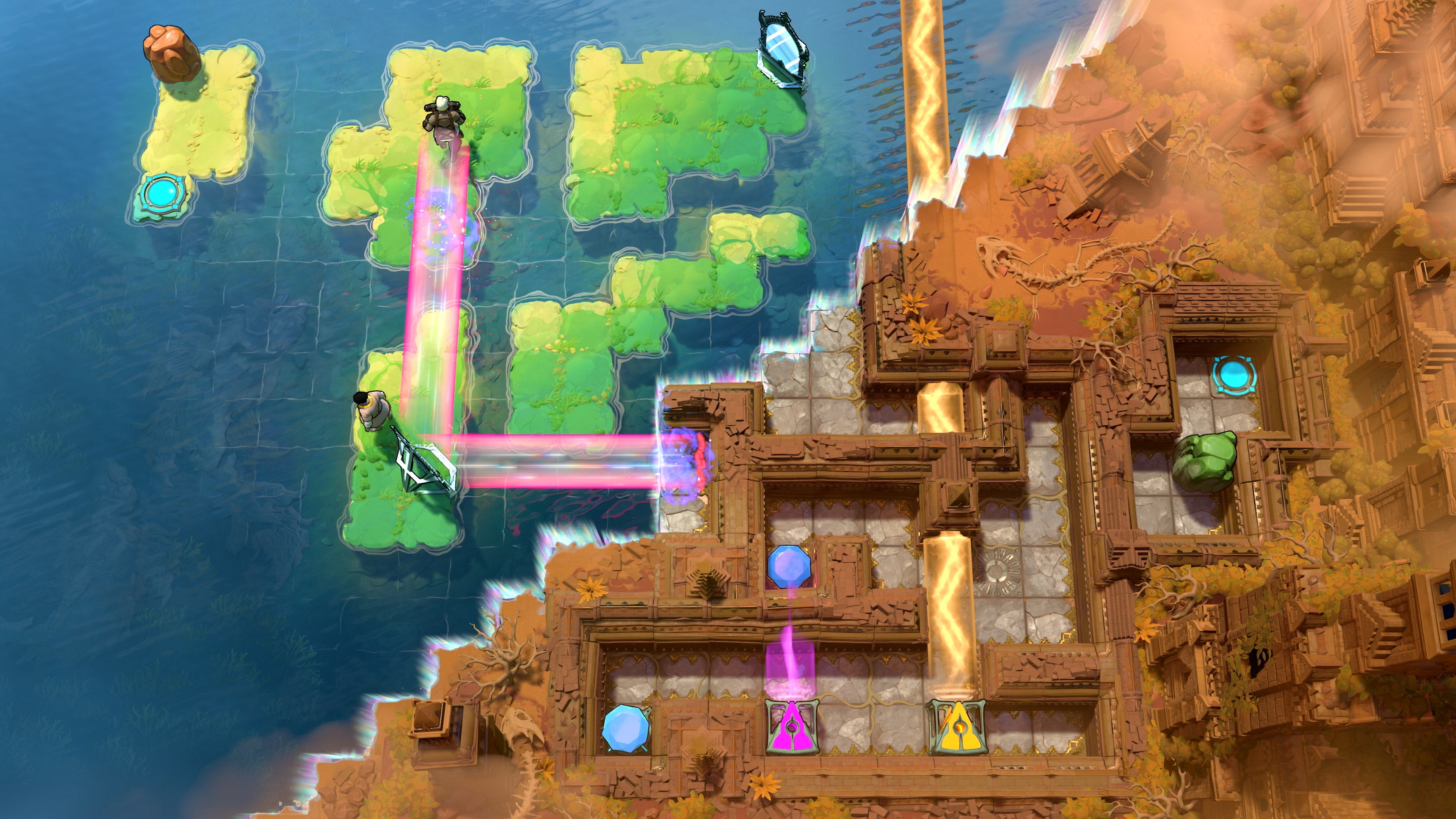
One down, hundreds more to go Credit: Thekla, Inc.
Back in 2016, after six-and-a-half years spent working on puzzle-adventure opus The Witness, Jonathan Blow says he needed a break. He tells Ars that the project he started in The Witness’ wake was meant to serve as a quick proof of concept for a new engine and programming language he was working on. “It was supposed to be a short game,” that could be finished in “like a year and a half or two years,” he said.
Now, after nine years of development—and his fair share of outspoken, controversial statements—Blow is finally approaching the finish line on that “short game.” He said Order of the Sinking Star—which was announced Thursday via a Game Awards trailer ahead of a planned 2026 release—now encompasses around 1,400 individual puzzles that could take completionists 400 to 500 hours to fully conquer.
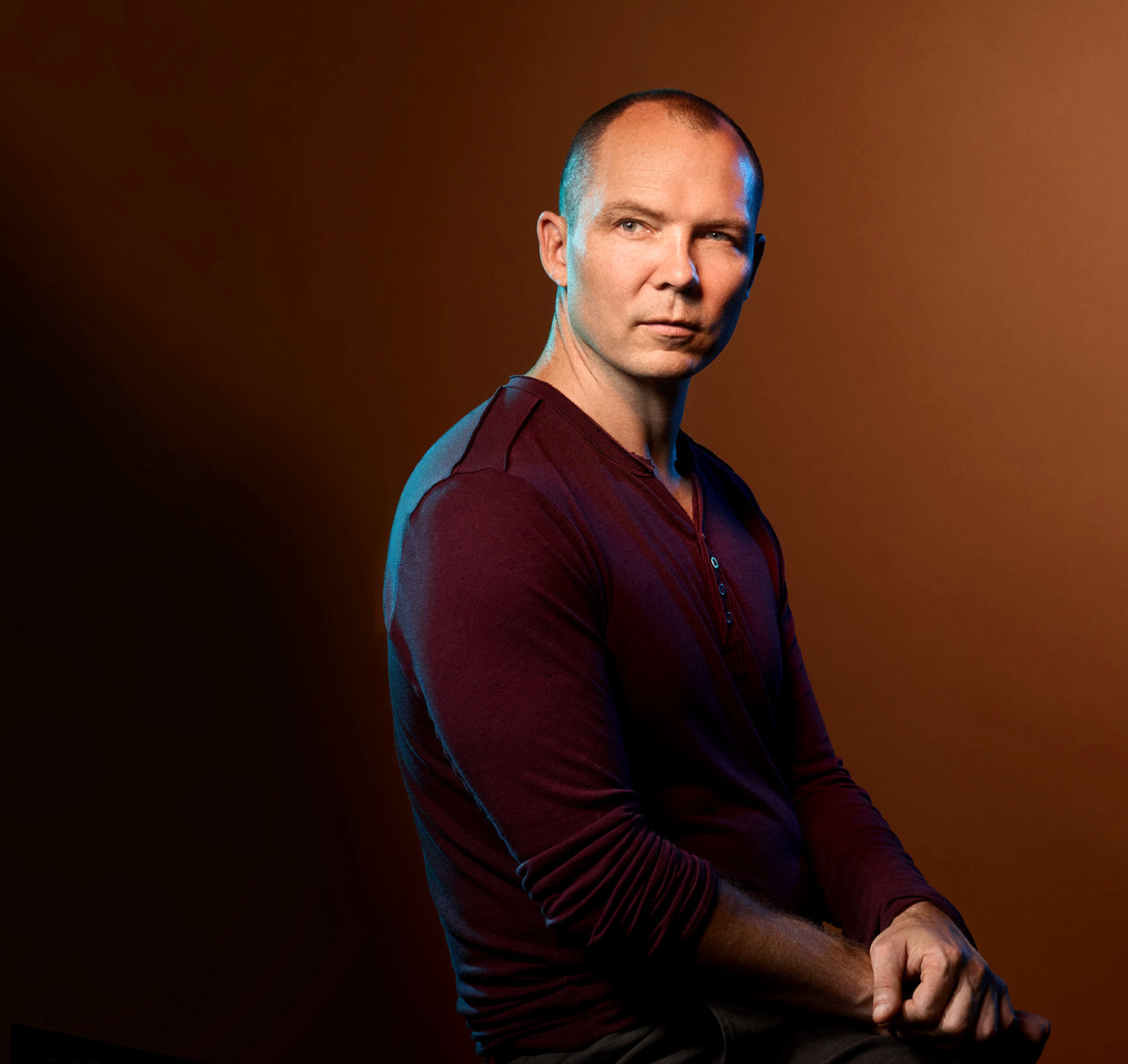
Jonathan Blow, seen here probably thinking about puzzles. Credit: Thekla, Inc.
“I don’t know why I convinced myself it was going to be a small game,” Blow told me while demonstrating a preview build to Ars last week. “But once we start things, I just want to do the good version of the thing, right? I always make it as good as it can be.”
“This huge, huge space of gameplay possibilities”
Just as The Witness was based around multiple variations of the outwardly simple concept of line-tracing puzzles, Order of the Sinking Star is built around the kind of 2D, grid-based navigation puzzles that date back to video game proto-history. From a centralized starting point in the middle of a sprawling map, players can choose to wander in four cardinal directions to explore four distinct variations on that basic concept.
In one direction, “the hearty heroes of hauling” use D&D-esque abilities to compulsively push and pull carefully arranged blocks in specific patterns. In another direction, the “Mirror Isles” let players position looking glasses to teleport and/or clone themselves across the screen at different angles. Then there’s a whole set of puzzles focused on skipping stepping-stones across water to build paths, and another built around an exoskeleton that gains new abilities in the path of a moveable energy beam.
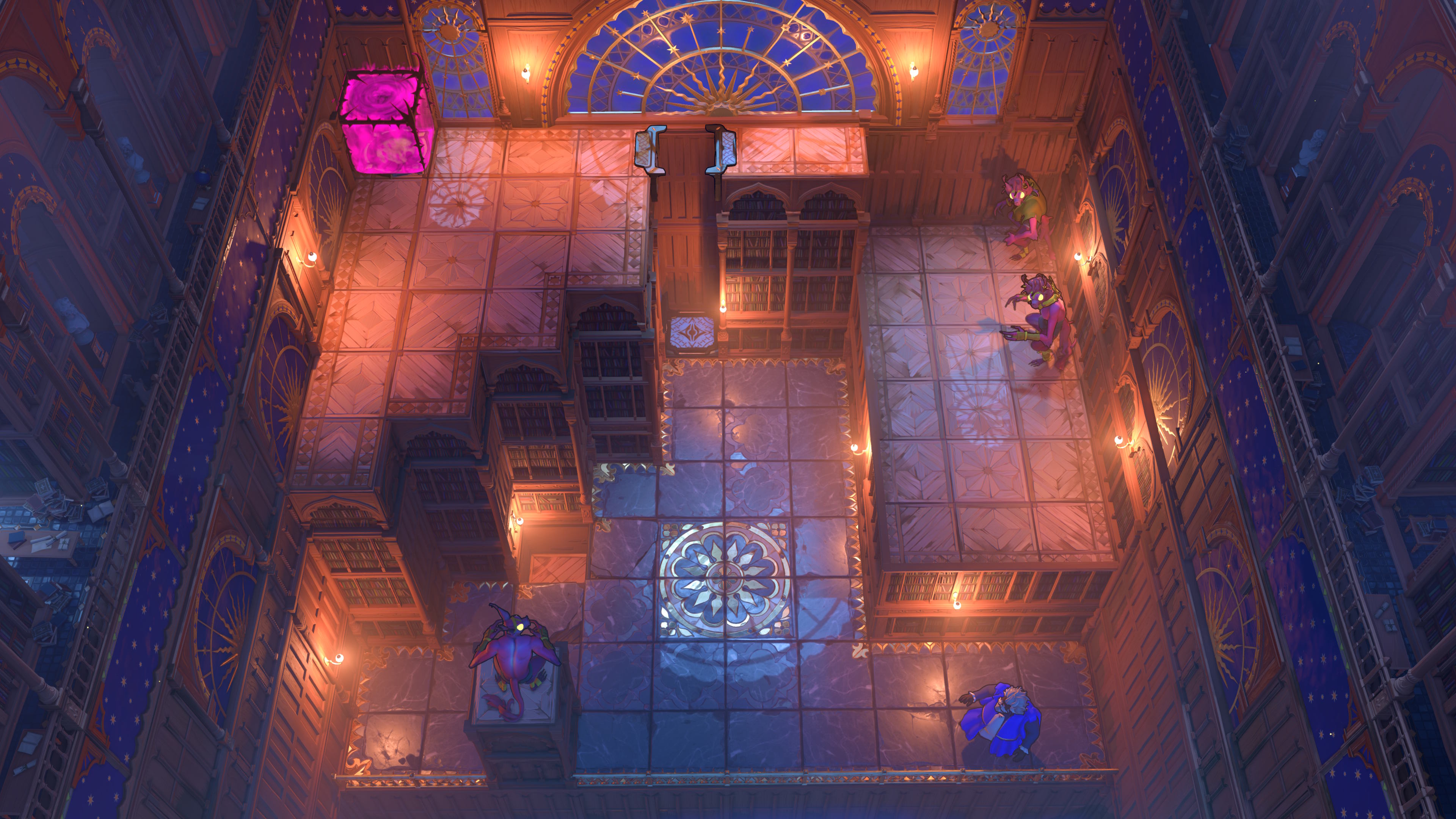
Movement is based on a 2D grid of square tiles. Credit: Thekla Inc.
The first portion of the game—which Blow estimates could last anywhere from eight to 40 hours, depending on your prior puzzle-solving experience—is focused on wandering through these four puzzle worlds more or less linearly. But then you’ll encounter an “important looking gold room,” after which those worlds start intersecting and interacting with each other, which means new puzzles that require combining the skills and mechanics you learned and (hopefully) mastered in those more linear earlier sections.
I only got a small, rushed taste of the potential for those “combined” areas in our short preview session. But Blow stressed a few times that these kinds of combinations are where “the magic of the game really starts unfolding,” and where the “game really blows up in possibility” to encompass “this huge, huge space of gameplay possibilities that happen when you put all these things together.”
Despite the overwhelming size, Blow promised that the team has put a lot of effort into ensuring that “everything here is in its right place, in both a ritualistic fashion having to do with the fiction as the game, but also in a way that mathematically makes sense and also helps players understand where things are.”
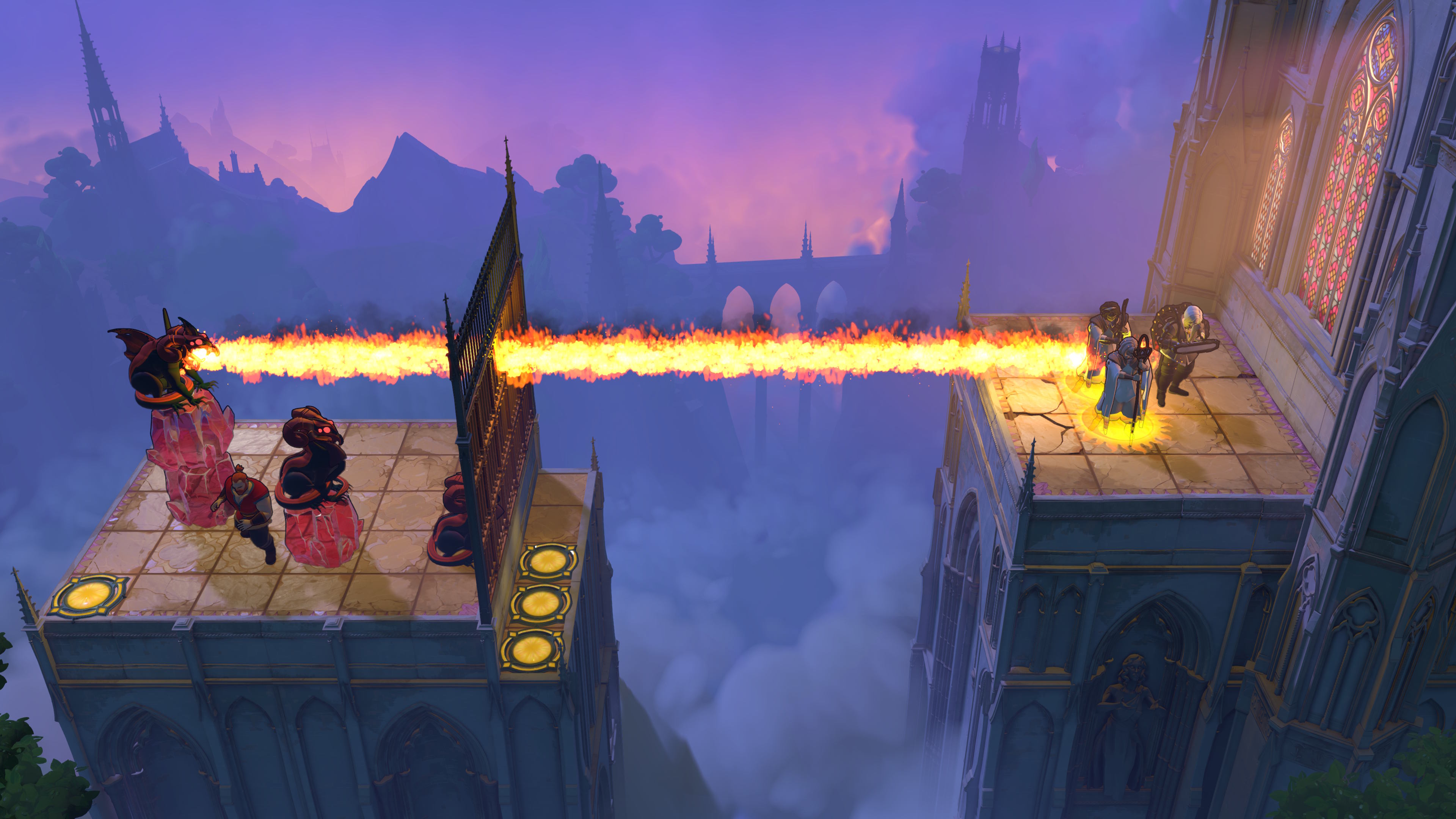
Believe it or not, you want to be in that flaming beam of death. Credit: Thekla, Inc.
After about 60 to 100 hours, Blow says players will probably reach the “first ending” of the game, which he said many players will be fully satisfied with. Past that, though, he gestured at even more secrets in an endgame that will unfold in unrevealed directions.
“There are whole entire subjects that we’re just not even talking about right now,” he hinted.
End of the line
Looking back Blow says it was “kind of stupid” to expect Order of the Sinking Star to be a quick idea that could be cranked out in a couple of years. “The game’s about a combinatoric explosion, and I know mathematically that is what generates big numbers,” he said. “So I don’t know why I convinced myself it was going to be a small game.”
For many independent developers, of course, spending nine years on a single game idea is an unthinkable luxury. Financial constraints mean many game ideas have to be shipped “as soon as you get to the point where it’s fun and shippable,” Blow said, leading to games that “kind of converge to a certain level of complexity and then stop there.”
But thanks to the sales success of The Witness—which reportedly grossed over $5 million in just its first week—Blow said he and his team have had the freedom to spend years “generat[ing] this giant space that’s much more complex than where you go with a typical puzzle game… When we create that much possibility, we feel like we have to explore it. Otherwise we’re not doing our duty as designers and correctly pursuing this agenda of design research.”
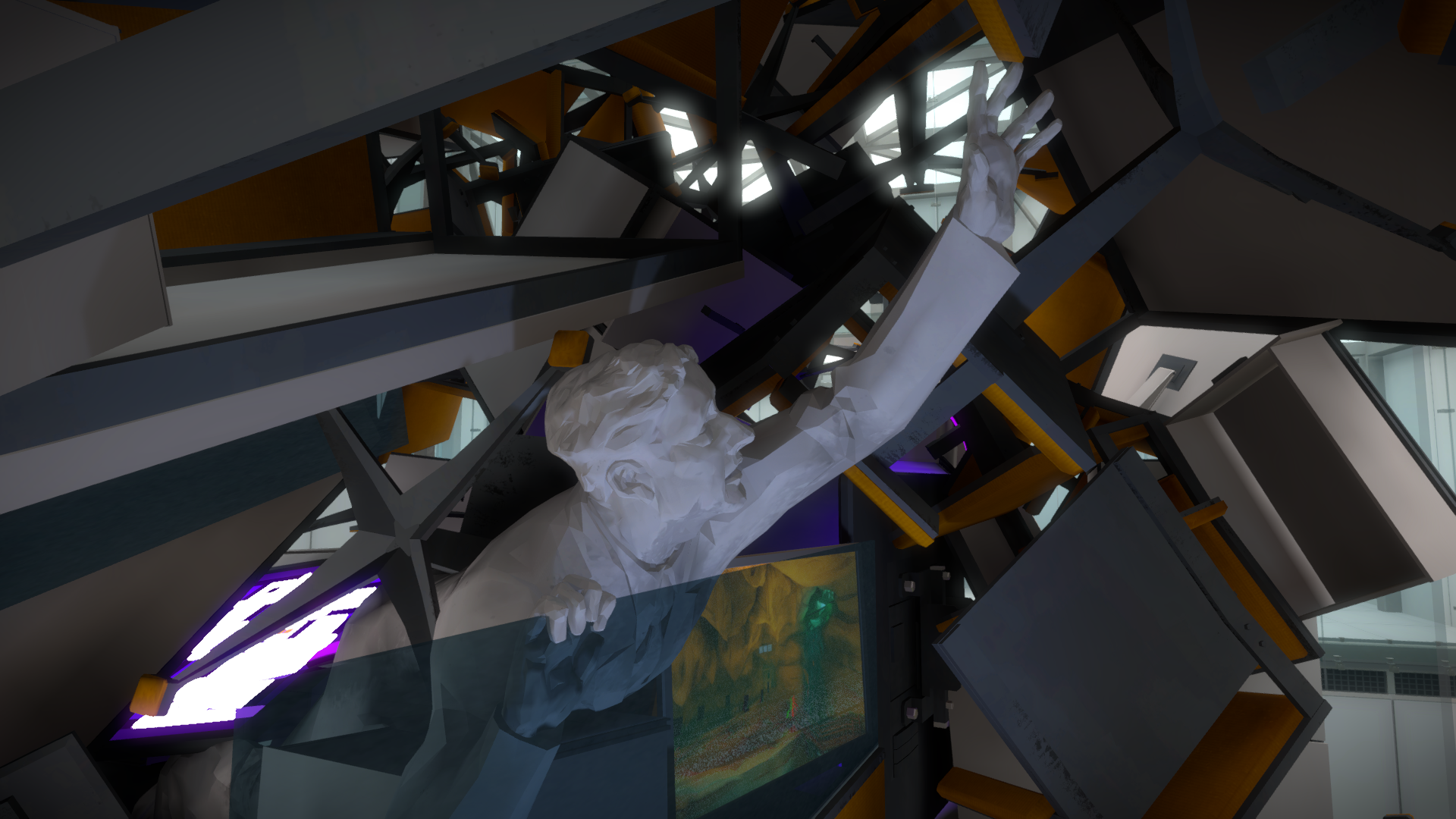
The sales success of The Witness helped enable the extended development time for Order of the Sinking Star.
Blow also said the size of this project helped get him past his general distaste for playtesting, which he said he was “not that big on” for his previous games. “Even The Witness didn’t have that much play testing, because I always felt like that was a way to make games a little more generic or something, you know? Like playtesters have complaints and then you file down the complaints and then you get a generic game.”
After being immersed in Order of the Sinking Star development for so long, though, Blow said he realized it was important to get a fresh perspective from playtesters who had no experience with the idea. “We have to playtest it because it doesn’t fit in my brain all at once, you know?” he said.
Some might say a nine-plus-year development cycle might be a sign of perfectionist tinkering past the point of diminishing returns. But Blow said that while he “might have been a perfectionist” in his younger days, the difficult process of game development has beaten the tendency out of him. “But I have the remnants of perfectionism,” he said. “I have… wanting to do something really good.”
And eventually, even an idea you’ve been tinkering with for roughly a decade needs to see the light of day. “Even for us, this was very expensive,” Blow admitted. “Man, I’ll be happy to get it out and have a new game making some money, because we need to make that happen at this point.”
One down, hundreds more to go Credit: Thekla, Inc.
Back in 2016, after six-and-a-half years spent working on puzzle-adventure opus The Witness, Jonathan Blow says he needed a break. He tells Ars that the project he started in The Witness’ wake was meant to serve as a quick proof of concept for a new engine and programming language he was working on. “It was supposed to be a short game,” that could be finished in “like a year and a half or two years,” he said.
Now, after nine years of development—and his fair share of outspoken, controversial statements—Blow is finally approaching the finish line on that “short game.” He said Order of the Sinking Star—which was announced Thursday via a Game Awards trailer ahead of a planned 2026 release—now encompasses around 1,400 individual puzzles that could take completionists 400 to 500 hours to fully conquer.
Jonathan Blow, seen here probably thinking about puzzles. Credit: Thekla, Inc.
“I don’t know why I convinced myself it was going to be a small game,” Blow told me while demonstrating a preview build to Ars last week. “But once we start things, I just want to do the good version of the thing, right? I always make it as good as it can be.”
“This huge, huge space of gameplay possibilities”
Just as The Witness was based around multiple variations of the outwardly simple concept of line-tracing puzzles, Order of the Sinking Star is built around the kind of 2D, grid-based navigation puzzles that date back to video game proto-history. From a centralized starting point in the middle of a sprawling map, players can choose to wander in four cardinal directions to explore four distinct variations on that basic concept.
In one direction, “the hearty heroes of hauling” use D&D-esque abilities to compulsively push and pull carefully arranged blocks in specific patterns. In another direction, the “Mirror Isles” let players position looking glasses to teleport and/or clone themselves across the screen at different angles. Then there’s a whole set of puzzles focused on skipping stepping-stones across water to build paths, and another built around an exoskeleton that gains new abilities in the path of a moveable energy beam.
Movement is based on a 2D grid of square tiles. Credit: Thekla Inc.
The first portion of the game—which Blow estimates could last anywhere from eight to 40 hours, depending on your prior puzzle-solving experience—is focused on wandering through these four puzzle worlds more or less linearly. But then you’ll encounter an “important looking gold room,” after which those worlds start intersecting and interacting with each other, which means new puzzles that require combining the skills and mechanics you learned and (hopefully) mastered in those more linear earlier sections.
I only got a small, rushed taste of the potential for those “combined” areas in our short preview session. But Blow stressed a few times that these kinds of combinations are where “the magic of the game really starts unfolding,” and where the “game really blows up in possibility” to encompass “this huge, huge space of gameplay possibilities that happen when you put all these things together.”
Despite the overwhelming size, Blow promised that the team has put a lot of effort into ensuring that “everything here is in its right place, in both a ritualistic fashion having to do with the fiction as the game, but also in a way that mathematically makes sense and also helps players understand where things are.”
Believe it or not, you want to be in that flaming beam of death. Credit: Thekla, Inc.
After about 60 to 100 hours, Blow says players will probably reach the “first ending” of the game, which he said many players will be fully satisfied with. Past that, though, he gestured at even more secrets in an endgame that will unfold in unrevealed directions.
“There are whole entire subjects that we’re just not even talking about right now,” he hinted.
End of the line
Looking back Blow says it was “kind of stupid” to expect Order of the Sinking Star to be a quick idea that could be cranked out in a couple of years. “The game’s about a combinatoric explosion, and I know mathematically that is what generates big numbers,” he said. “So I don’t know why I convinced myself it was going to be a small game.”
For many independent developers, of course, spending nine years on a single game idea is an unthinkable luxury. Financial constraints mean many game ideas have to be shipped “as soon as you get to the point where it’s fun and shippable,” Blow said, leading to games that “kind of converge to a certain level of complexity and then stop there.”
But thanks to the sales success of The Witness—which reportedly grossed over $5 million in just its first week—Blow said he and his team have had the freedom to spend years “generat[ing] this giant space that’s much more complex than where you go with a typical puzzle game… When we create that much possibility, we feel like we have to explore it. Otherwise we’re not doing our duty as designers and correctly pursuing this agenda of design research.”
The sales success of The Witness helped enable the extended development time for Order of the Sinking Star.
Blow also said the size of this project helped get him past his general distaste for playtesting, which he said he was “not that big on” for his previous games. “Even The Witness didn’t have that much play testing, because I always felt like that was a way to make games a little more generic or something, you know? Like playtesters have complaints and then you file down the complaints and then you get a generic game.”
After being immersed in Order of the Sinking Star development for so long, though, Blow said he realized it was important to get a fresh perspective from playtesters who had no experience with the idea. “We have to playtest it because it doesn’t fit in my brain all at once, you know?” he said.
Some might say a nine-plus-year development cycle might be a sign of perfectionist tinkering past the point of diminishing returns. But Blow said that while he “might have been a perfectionist” in his younger days, the difficult process of game development has beaten the tendency out of him. “But I have the remnants of perfectionism,” he said. “I have… wanting to do something really good.”
And eventually, even an idea you’ve been tinkering with for roughly a decade needs to see the light of day. “Even for us, this was very expensive,” Blow admitted. “Man, I’ll be happy to get it out and have a new game making some money, because we need to make that happen at this point.”
