


- Регистрация
- 17 Февраль 2018
- Сообщения
- 40 838
- Лучшие ответы
- 0
- Реакции
- 0
- Баллы
- 8 093
Offline
The changes are modeled after a small country with universal health care.
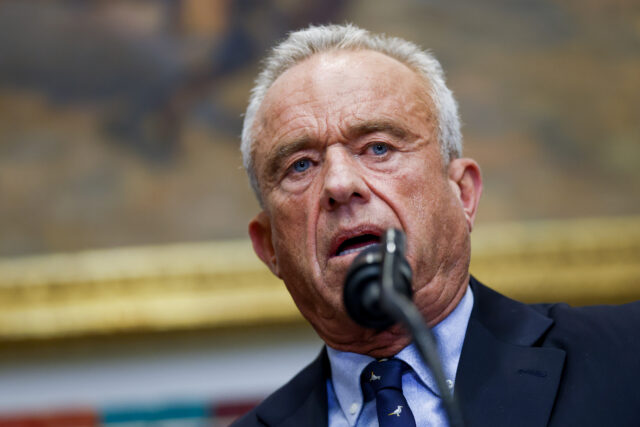
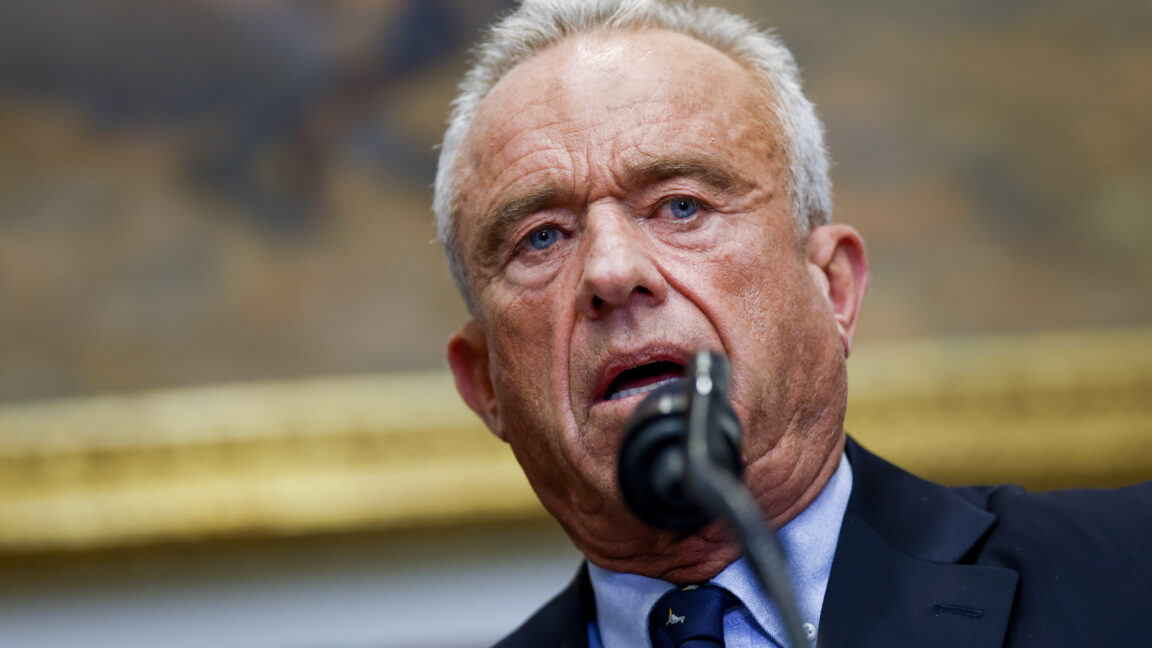
Robert F. Kennedy Jr., US secretary of Health and Human Services (HHS), during an announcement in the Roosevelt Room of the White House in Washington, DC, on Dec. 19, 2025. Credit: Getty | Will Oliver
Under anti-vaccine Health Secretary Robert F. Kennedy Jr., federal health officials on Monday announced a sweeping and unprecedented overhaul of federal vaccine recommendations, abruptly paring down recommended immunizations for children from 17 to 11.
Officials claimed the rationale for the change was to align US vaccine recommendations more closely with those of other high-income countries, namely Denmark, a small, far less diverse country of around 6 million people (smaller than the population of New York City) that has universal health care. The officials also claim the change is necessary to address the decline in public trust in vaccinations, which has been driven by anti-vaccine activists, including Kennedy.
“This decision protects children, respects families, and rebuilds trust in public health,” Kennedy said in a statement.
Health experts disagree. “Kennedy’s decision will harm and kill children, like all of his anti-vaccination decisions will,” virologist James Alwine, who works with the organization Defend Public Health, said in a statement.
The American Academy of Pediatrics, a vocal critic of Kennedy, blasted the changes, saying “to arbitrarily stop recommending numerous routine childhood immunizations is dangerous and unnecessary,” AAP President Andrew Racine said. “The United States is not Denmark,” he added.
Under the new federal recommendations, universally recommended immunizations are pared down to these 11 diseases: measles, mumps, rubella, polio, pertussis (whooping cough), tetanus, diphtheria, Haemophilus influenzae type B (Hib), pneumococcal disease, human papillomavirus (HPV), and varicella (chickenpox).
Immunizations against respiratory syncytial virus (RSV), hepatitis A, hepatitis B, dengue, meningococcal ACWY, and meningococcal B are now only recommended for “high risk” groups. (Immunization against dengue was previously only recommended for certain groups.)
Parents may choose through “shared clinical decision-making” to vaccinate their children against rotavirus, COVID-19, influenza, meningococcal disease, hepatitis A, and hepatitis B.
The American Medical Association criticized the changes and the way in which they were made—unilaterally, without transparency, and without scientific rigor."Changes of this magnitude require careful review, expert and public input, and clear scientific justification. That level of rigor and transparency was not part of this decision,” Sandra Adamson Fryhofer, an AMA Trustee, said in a statement.
In a US health department announcement, CMS Administrator Dr. Mehmet Oz noted that “All vaccines currently recommended by CDC will remain covered by insurance without cost sharing. No family will lose access.”
But health experts fear the confusion and distrust created by the abrupt and ideology-based changes will only lead more Americans to delay or decline vaccinating their children.
The country is already seeing surges in vaccine-preventable diseases amid a nationwide slide in childhood vaccination, particularly with outbreaks of whooping cough and measles. The US is on track to lose its measles elimination status this month.
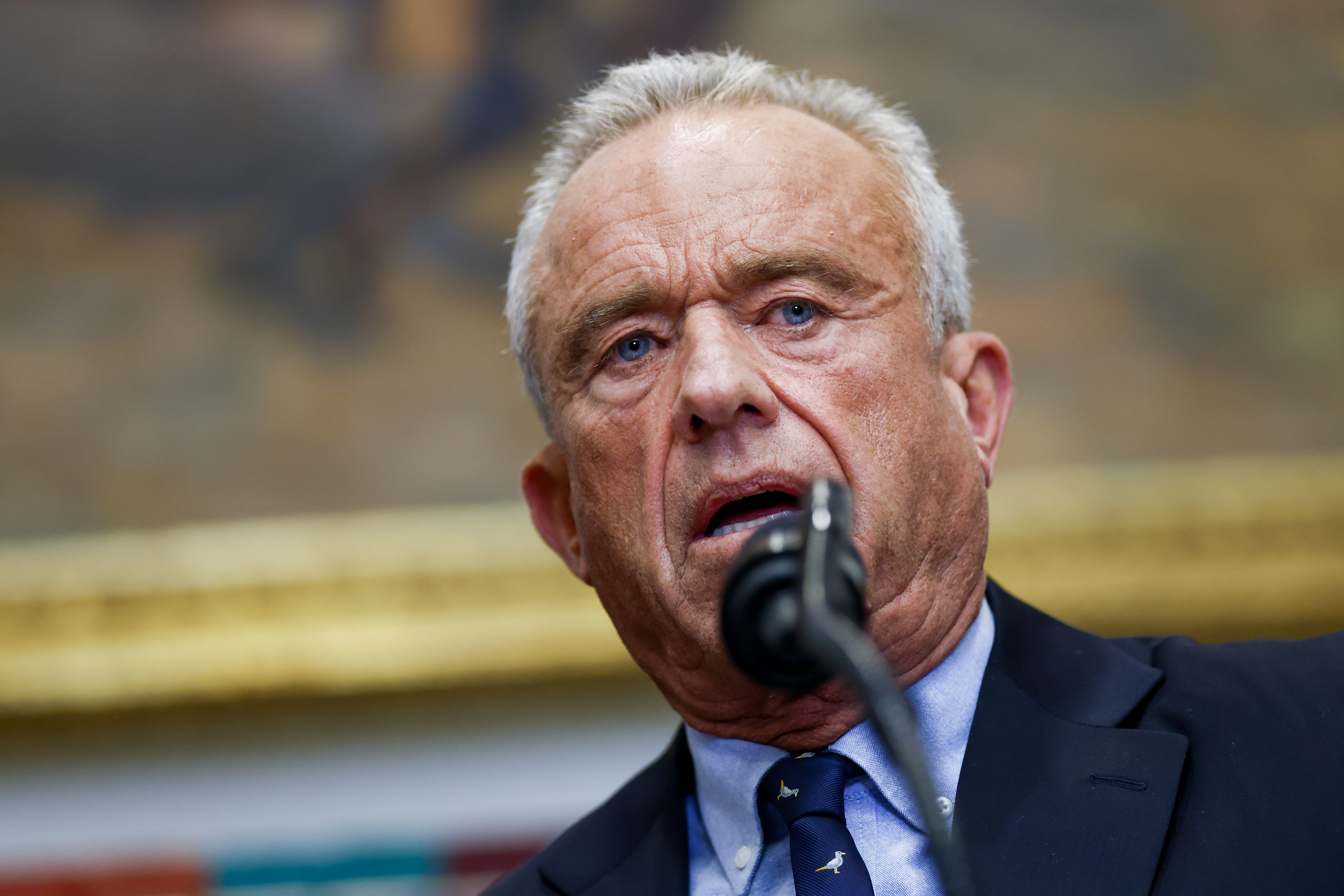
Robert F. Kennedy Jr., US secretary of Health and Human Services (HHS), during an announcement in the Roosevelt Room of the White House in Washington, DC, on Dec. 19, 2025. Credit: Getty | Will Oliver
Under anti-vaccine Health Secretary Robert F. Kennedy Jr., federal health officials on Monday announced a sweeping and unprecedented overhaul of federal vaccine recommendations, abruptly paring down recommended immunizations for children from 17 to 11.
Officials claimed the rationale for the change was to align US vaccine recommendations more closely with those of other high-income countries, namely Denmark, a small, far less diverse country of around 6 million people (smaller than the population of New York City) that has universal health care. The officials also claim the change is necessary to address the decline in public trust in vaccinations, which has been driven by anti-vaccine activists, including Kennedy.
“This decision protects children, respects families, and rebuilds trust in public health,” Kennedy said in a statement.
Health experts disagree. “Kennedy’s decision will harm and kill children, like all of his anti-vaccination decisions will,” virologist James Alwine, who works with the organization Defend Public Health, said in a statement.
The American Academy of Pediatrics, a vocal critic of Kennedy, blasted the changes, saying “to arbitrarily stop recommending numerous routine childhood immunizations is dangerous and unnecessary,” AAP President Andrew Racine said. “The United States is not Denmark,” he added.
Under the new federal recommendations, universally recommended immunizations are pared down to these 11 diseases: measles, mumps, rubella, polio, pertussis (whooping cough), tetanus, diphtheria, Haemophilus influenzae type B (Hib), pneumococcal disease, human papillomavirus (HPV), and varicella (chickenpox).
Immunizations against respiratory syncytial virus (RSV), hepatitis A, hepatitis B, dengue, meningococcal ACWY, and meningococcal B are now only recommended for “high risk” groups. (Immunization against dengue was previously only recommended for certain groups.)
Parents may choose through “shared clinical decision-making” to vaccinate their children against rotavirus, COVID-19, influenza, meningococcal disease, hepatitis A, and hepatitis B.
The American Medical Association criticized the changes and the way in which they were made—unilaterally, without transparency, and without scientific rigor."Changes of this magnitude require careful review, expert and public input, and clear scientific justification. That level of rigor and transparency was not part of this decision,” Sandra Adamson Fryhofer, an AMA Trustee, said in a statement.
In a US health department announcement, CMS Administrator Dr. Mehmet Oz noted that “All vaccines currently recommended by CDC will remain covered by insurance without cost sharing. No family will lose access.”
But health experts fear the confusion and distrust created by the abrupt and ideology-based changes will only lead more Americans to delay or decline vaccinating their children.
The country is already seeing surges in vaccine-preventable diseases amid a nationwide slide in childhood vaccination, particularly with outbreaks of whooping cough and measles. The US is on track to lose its measles elimination status this month.
