


- Регистрация
- 17 Февраль 2018
- Сообщения
- 40 832
- Лучшие ответы
- 0
- Реакции
- 0
- Баллы
- 8 093
Offline
Ars chats with director Tom Barbor-Might about new National Geographic documentary A Road Trip to Remember.
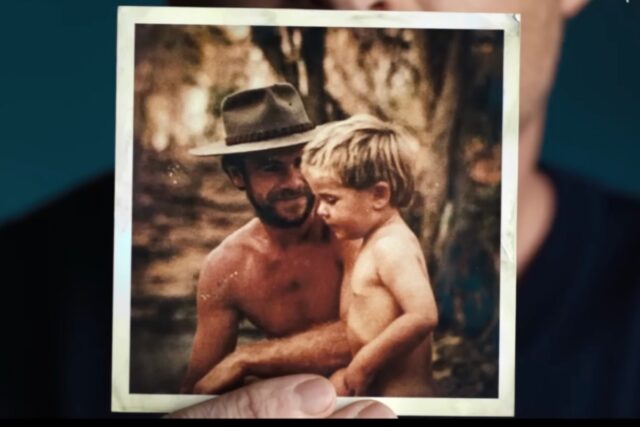
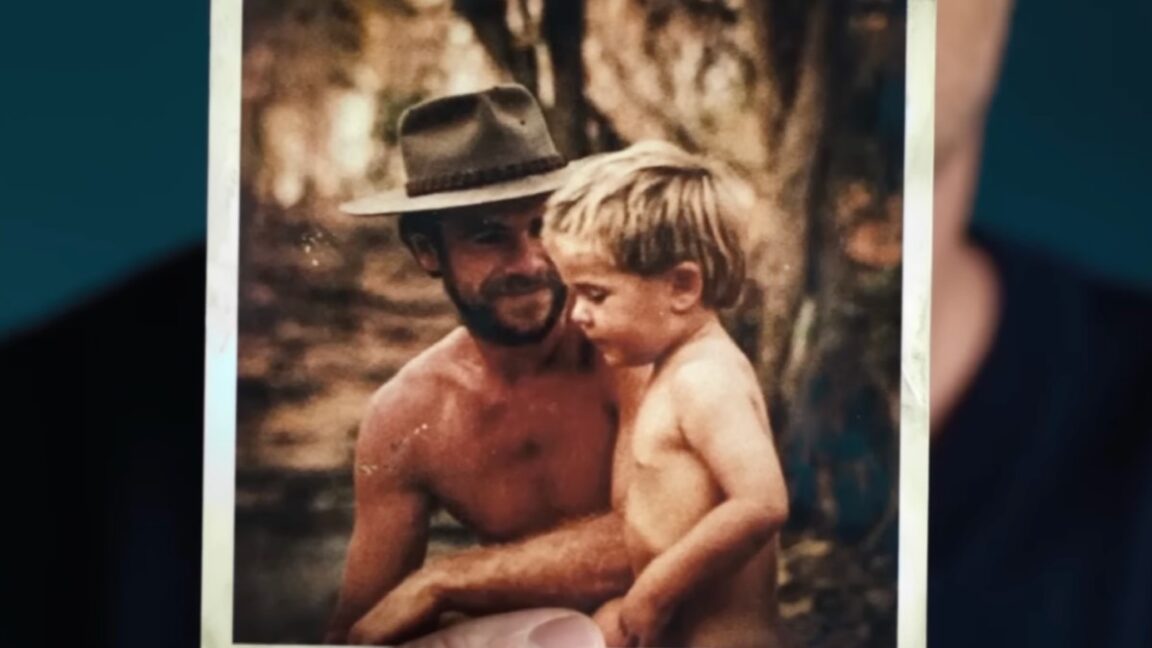
Credit: YouTube/National Geographic
Millions of people around the world are living with the harsh reality of Alzheimer’s disease, which also significantly impacts family members. Nobody is immune, as A-list actor Chris Hemsworth discovered when his own father was recently diagnosed. The revelation inspired Hemsworth to embark on a trip down memory lane with his father, which took them to Australia’s Northern Territory. The experience was captured on film for A Road Trip to Remember, a new documentary film from National Geographic.
Director Tom Barbor-Might had worked with Hemsworth on the latter’s documentary series Limitless, also for National Geographic. Each episode of Limitless follows Hemsworth on a unique challenge to push himself to the limits, augmented with interviews with scientific experts on such practices as fasting, extreme temperatures, brain-boosting, and regulating one’s stress response. Barbor-Might directed the season 1 finale, “Acceptance,” which was very different in tone, dealing with the inevitability of death and the need to confront one’s own mortality.
“It was really interesting to see Chris in that more intimate personal space, and he was great at it,” Barbor-Might told Ars. “He was charming, emotional, and vulnerable, and it was really moving. It felt like there was more work to be done there.” When Craig Hemsworth received his Alzheimer’s diagnosis, it seemed like the perfect opportunity to explore that personal element further.
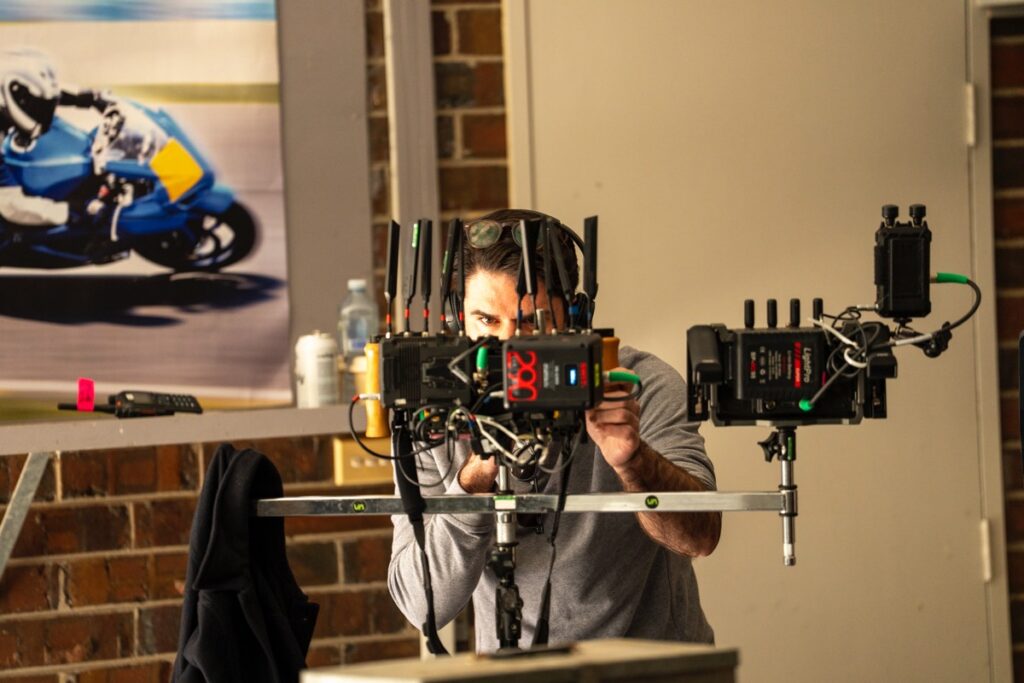
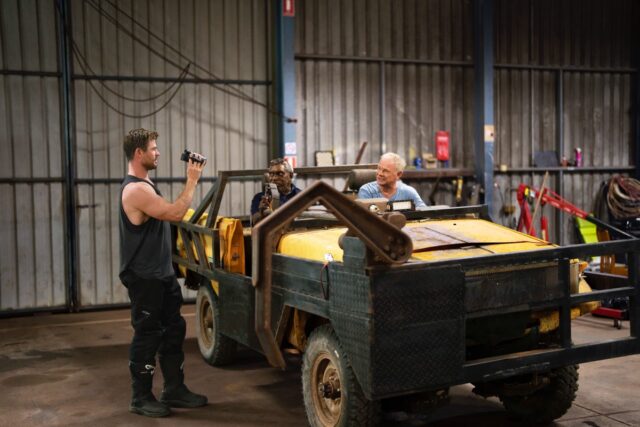
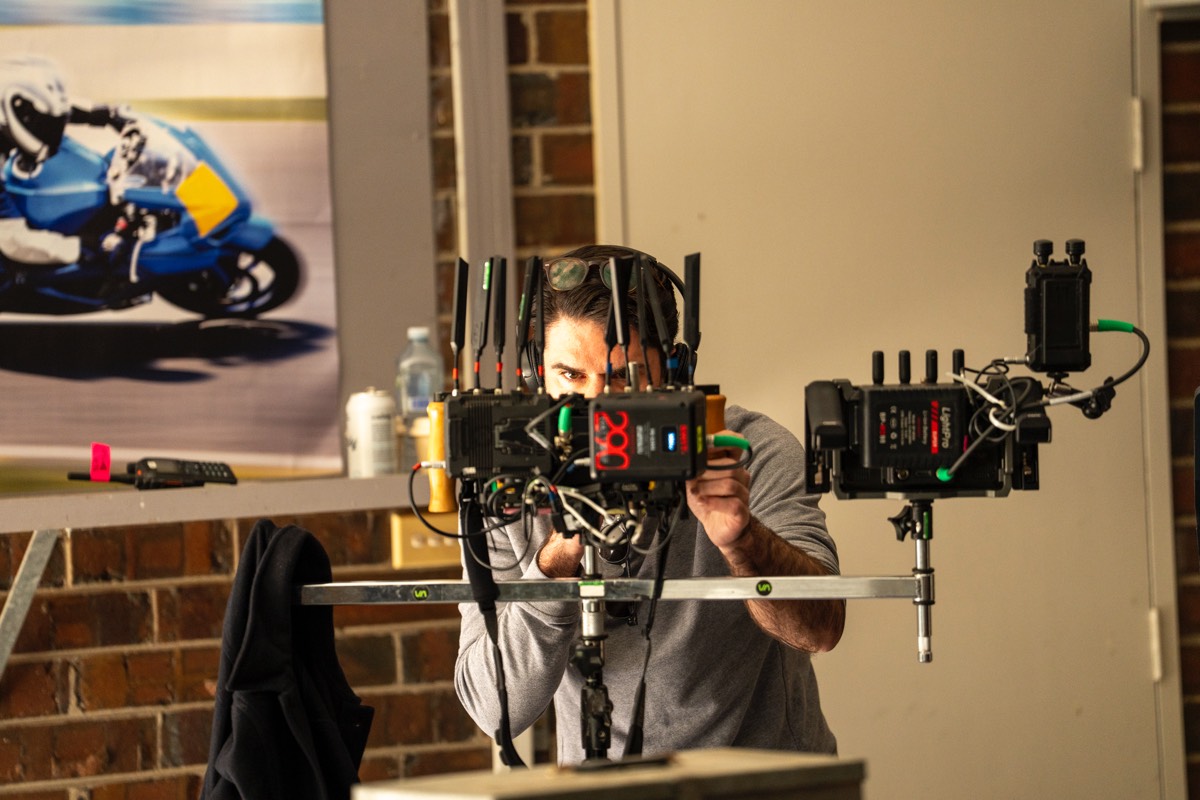
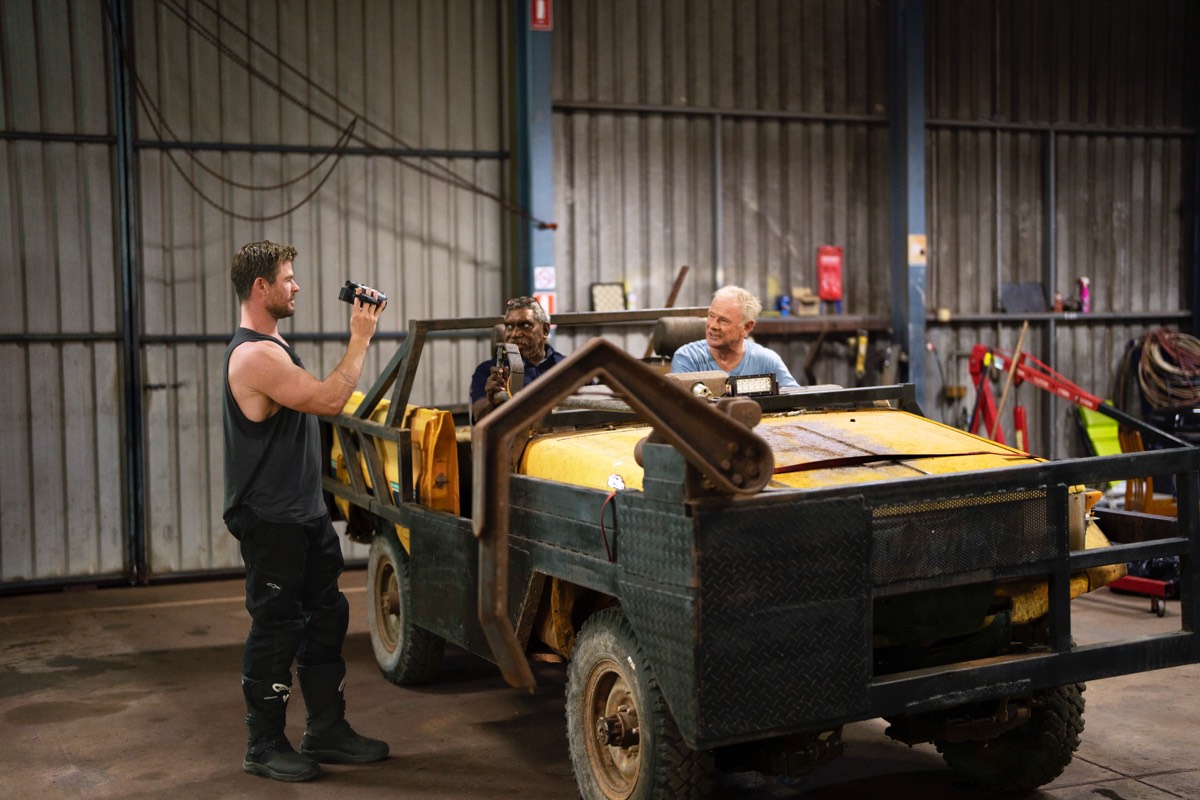
Director Tom Barbor-Might behind the camera during filming of the documentary. National Geographic/Craig Parry
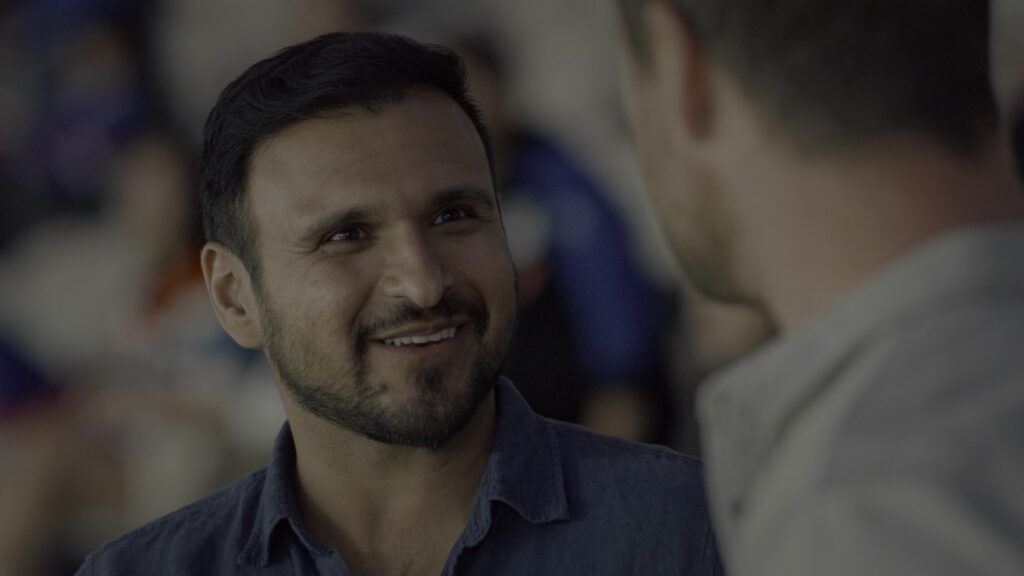
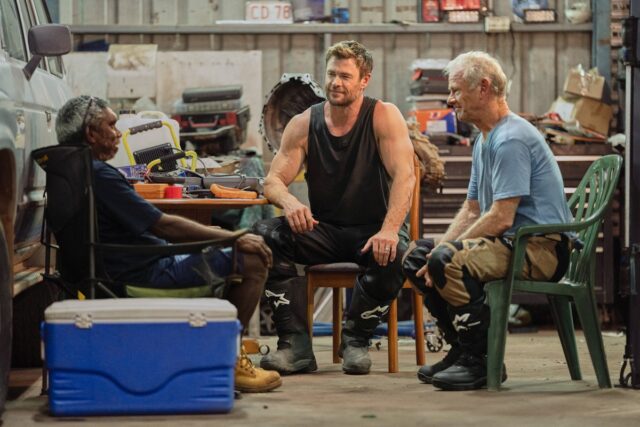
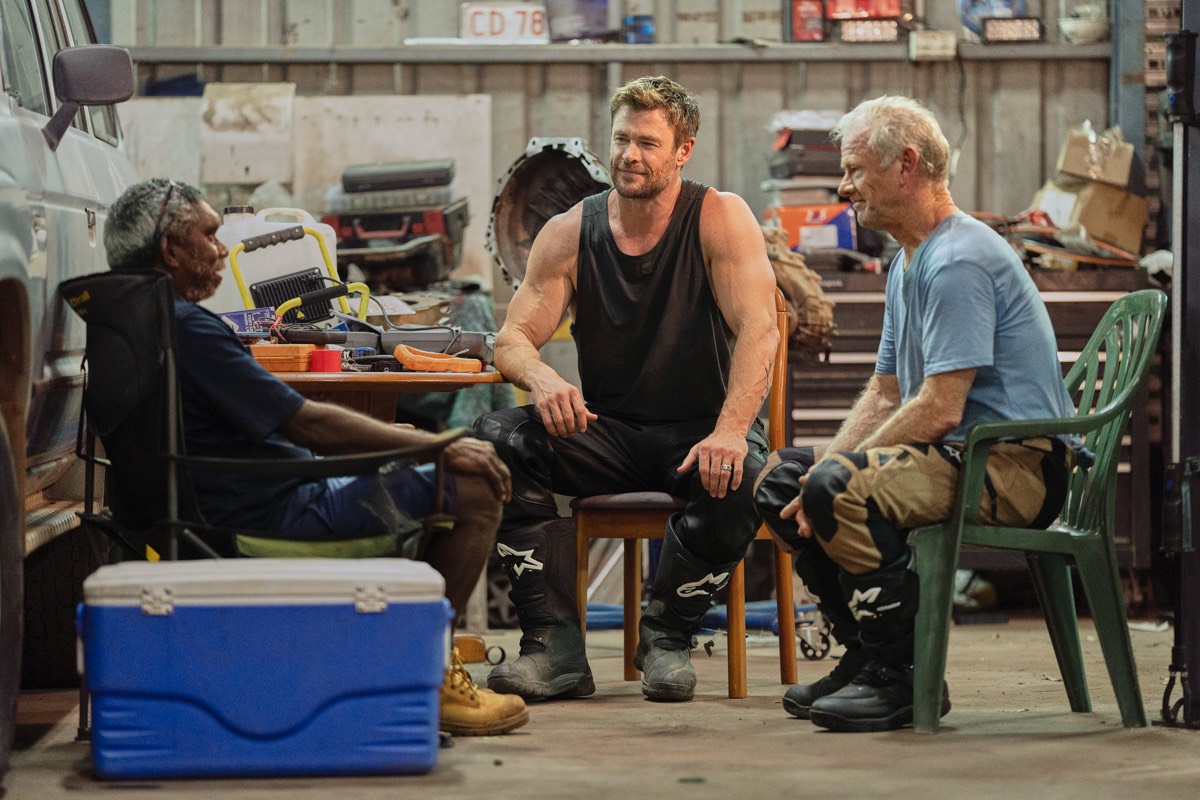
Scientist Suraj Samtani chats with Chris Hemsworth about the potential benefits of reminiscence therapy. National Geographic
Director Tom Barbor-Might behind the camera during filming of the documentary. National Geographic/Craig Parry
Scientist Suraj Samtani chats with Chris Hemsworth about the potential benefits of reminiscence therapy. National Geographic
Hemsworth found a scientific guide for this journey in Suraj Samtani, a clinical psychologist at the New South Wales Center for Healthy Brain Aging who specializes in dementia. Recent research has shown that one’s risk of dementia can be reduced by half by maintaining regular social interactions, and, even after a diagnosis, fostering strong social connections can slow cognitive decline. Revisiting past experiences, including visiting locations from one’s past, can also boost cognition in those with early onset dementia or Alzheimer’s—hence the Hemsworth road trip.
The first stage was to re-create the Melbourne family home from the 1990s. “The therapeutic practice of reminiscence therapy gave the film not only its intellectual and emotional underpinning, it gave it its structure,” said Barbor-Might. “We wanted to really explore this and also, as an audience, get a glimpse of their family life in the 1990s. It was a sequence that felt really important. The owner extraordinarily agreed to let us revert [the house]. They went and lived in a hotel for a month and were very, very noble and accommodating.”
Old photographs helped resolve the discrepancies in family members’ memories and fill in the gaps. “We were able to do it because the person who bought the house after [the Hemsworths], as an aide-Mémoire, had photographed all of the homes he was considering as part of his decision-making process,” said Barbor-Might. “And there was Chris’ teenage bedroom, there was Luke’s teenage bedroom, it was the family home all laid out. Our art department was able to go on eBay and visit every single thrift store in Melbourne to track down the right posters and all of that.”
Into the outback
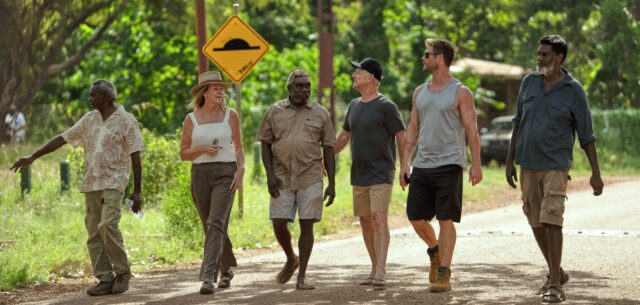
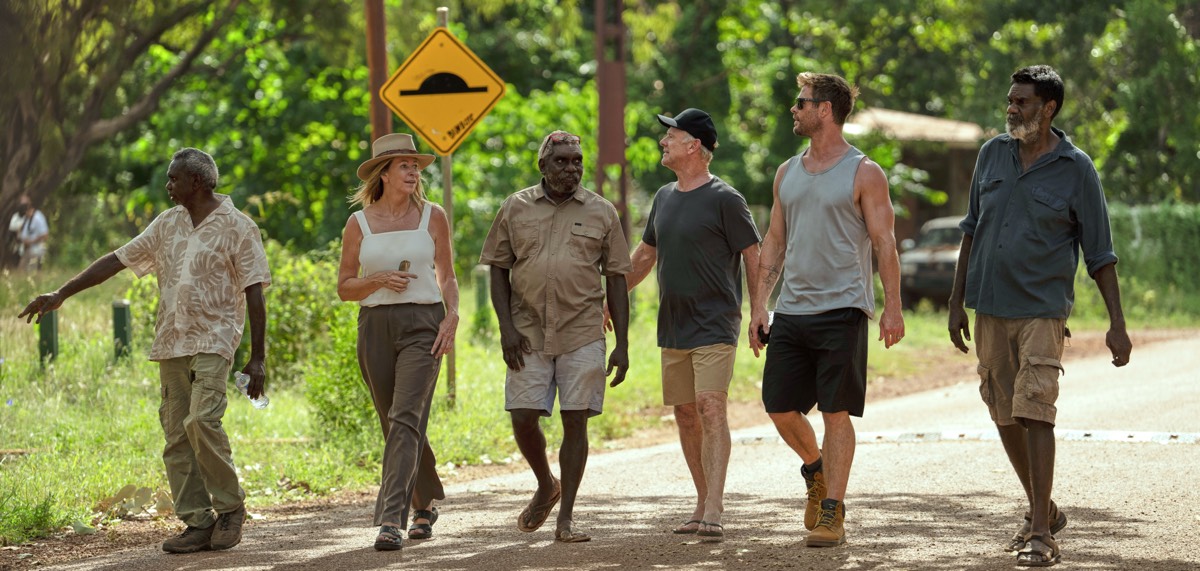
The bulk of the journey is the Hemsworths’ motorcycle trip to the Northern Territory, specifically the tiny town of Bulman, where the family lived when the brothers were very young. Craig worked on a cattle station and reunited with one of his co-workers, Spencer, as well as other community members. The harsh outback environment posed its own challenges for the film crew. “It’s never the most comforting thing when the risk assessment involves taking anti-venom with you,” said Barbor-Might. “It’s very remote, and we’re a documentary team, not a news crew. But the community was so supportive and so excited that Craig and [mom] Leonie and Chris were coming back. Without them, it would have been impossible.”
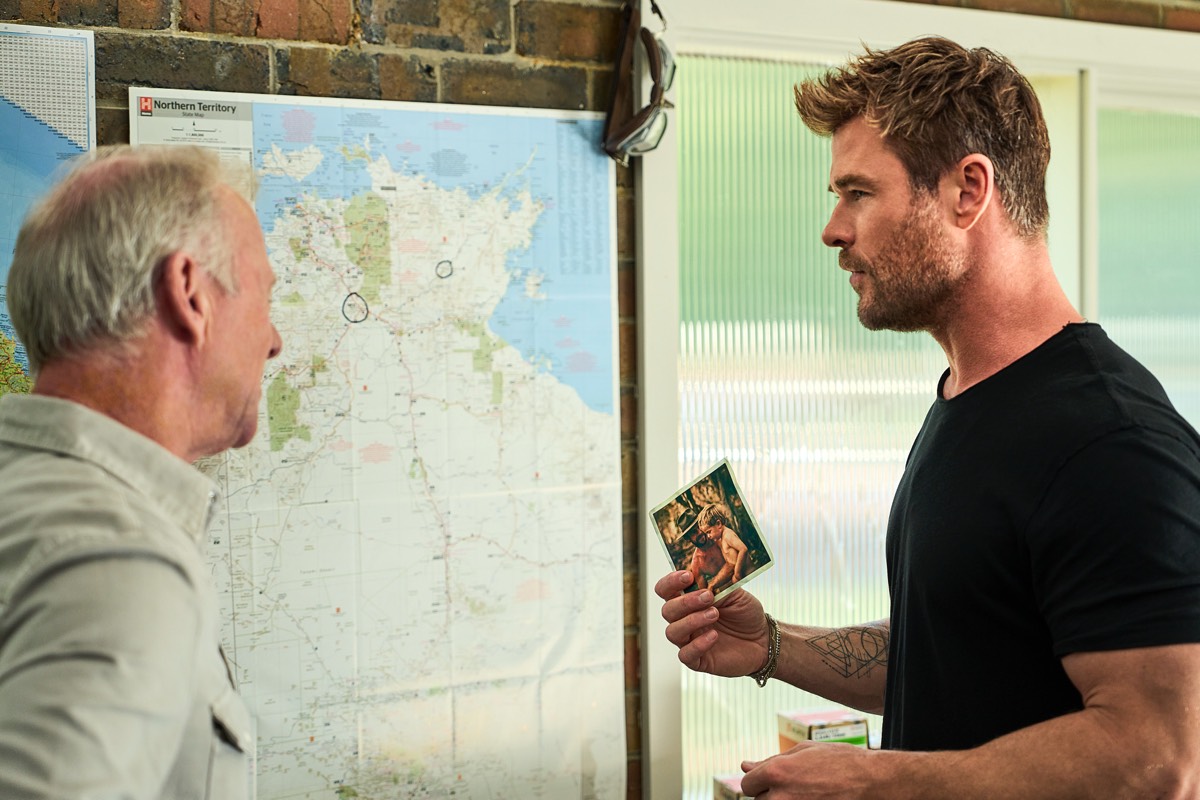
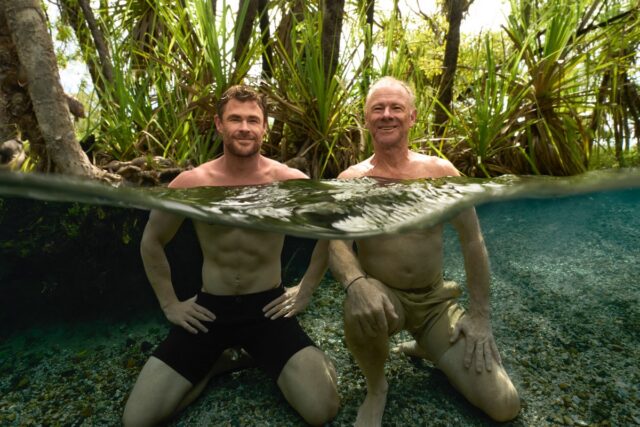
Chris Hemsworth and his father Craig plan a road trip to help the latter battle early-onset Alzheimer's. National Geographic/Craig Parry
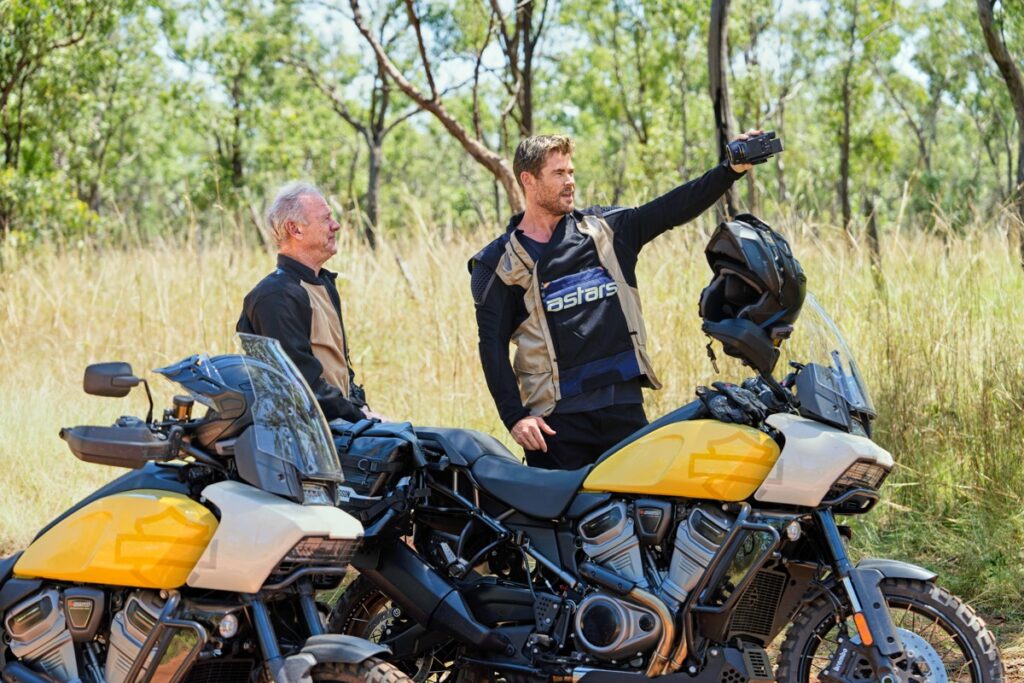
Chris and Craig prepare for their road trip via motorcycle. National Geographic/Craig Parry
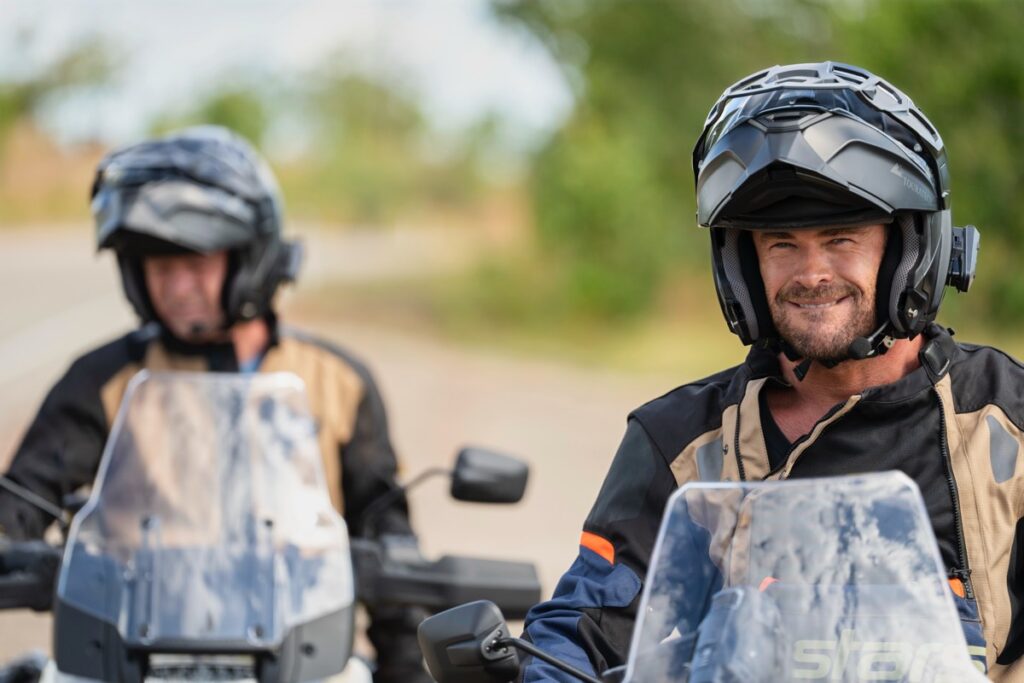
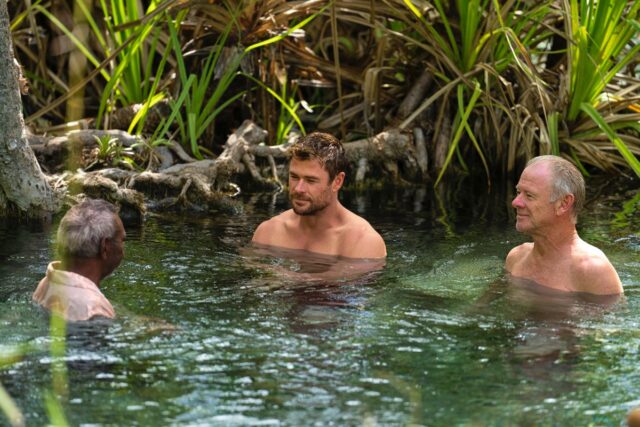
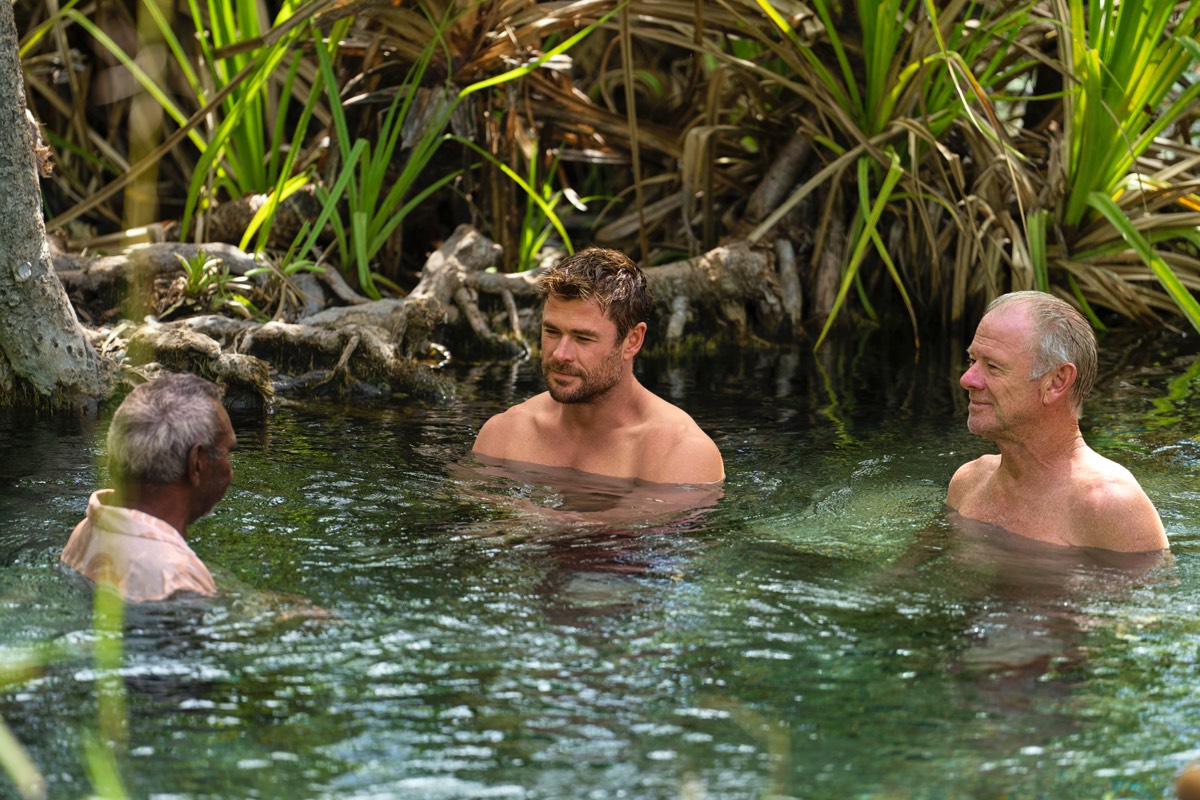
Father and son in their element. National Geographic/Craig Parry
Chris and Craig prepare for their road trip via motorcycle. National Geographic/Craig Parry
Father and son in their element. National Geographic/Craig Parry
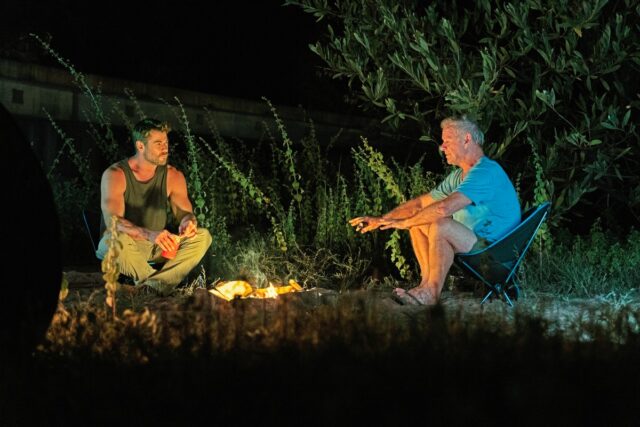
Given the sensitive, deeply personal subject matter, it was a challenge to strike the right balance between honest documentation and respecting family privacy. “We spent a very long time talking about the film before we ever decided to make it,” said Barbor-Might. “That was a big part of our process: what are we doing and why? If we’re going to go into something so sensitive and so intimate, where people are so vulnerable, we need to know why we’re going to capture, frankly, some of the symptoms of the disease on film. It was a big decision to do that and how best to do it.”
Craig Hemsworth’s own perspective was key. “Craig’s at the beginning of his diagnosis, the beginning of his journey, and he felt like, ‘Well, I don’t understand what you’d be doing if it was abstract to the audience,'” said Barbor-Might. “His motivation was that by sharing, it might help others. One of the things I think the film is quietly about is that we should have the conversations that we need to have now and not wait. We are all aware of dementia, aging brains, Alzheimer’s, but we don’t really talk about it, and we don’t really confront it. So many people will experience this, tragically. This will be part of their lives and part of their family’s journey.
“So if we’re going to talk about it, then if [a memory lapse] happens in front of the lens, we capture it,” he added. “There were lots of safety nets. There was always consent that could be withdrawn at any point, and that went all the way through the edit. We would cut at any point. We even leave one of those moments in the film where the cameras stop. That was very much part of the methodology.”
One of the key takeaways Barbor-Might hopes audiences gain from the film is the importance of fostering and maintaining social connections. Mostly, however, he emphasizes how critical it is to have difficult personal conversations surrounding things like Alzheimer’s. “We often delay those kinds of conversations because we’re embarrassed or we don’t want to confront the people we love or put them in awkward situations,” he said. “But life is happening right now. Do it. Don’t wait.”
A Road Trip to Remember premieres on November 23 on National Geographic and will be available to stream on Disney+ and Hulu the following day.
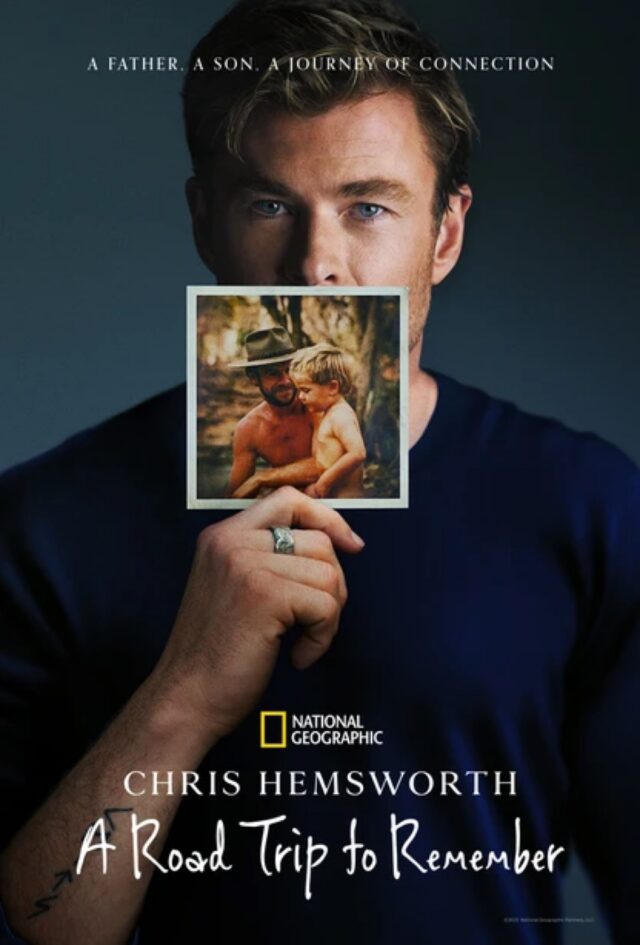
Credit: National Geographic
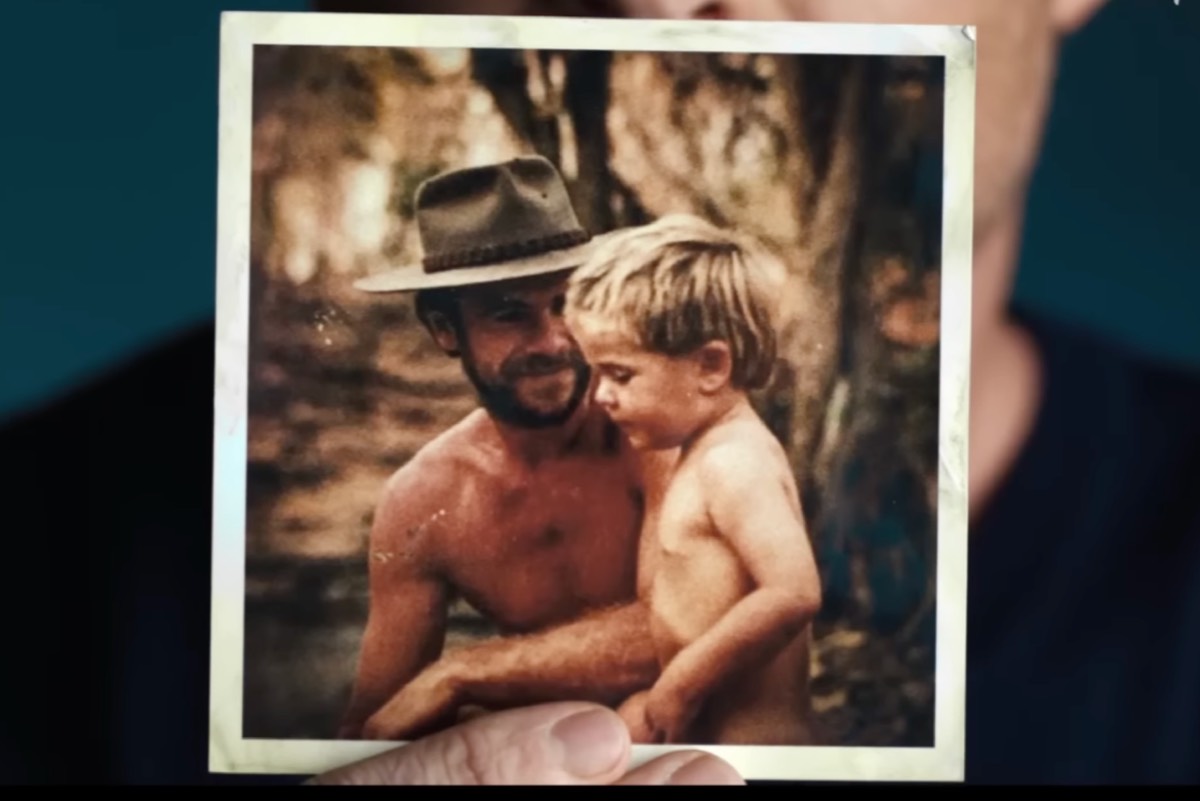
Credit: YouTube/National Geographic
Millions of people around the world are living with the harsh reality of Alzheimer’s disease, which also significantly impacts family members. Nobody is immune, as A-list actor Chris Hemsworth discovered when his own father was recently diagnosed. The revelation inspired Hemsworth to embark on a trip down memory lane with his father, which took them to Australia’s Northern Territory. The experience was captured on film for A Road Trip to Remember, a new documentary film from National Geographic.
Director Tom Barbor-Might had worked with Hemsworth on the latter’s documentary series Limitless, also for National Geographic. Each episode of Limitless follows Hemsworth on a unique challenge to push himself to the limits, augmented with interviews with scientific experts on such practices as fasting, extreme temperatures, brain-boosting, and regulating one’s stress response. Barbor-Might directed the season 1 finale, “Acceptance,” which was very different in tone, dealing with the inevitability of death and the need to confront one’s own mortality.
“It was really interesting to see Chris in that more intimate personal space, and he was great at it,” Barbor-Might told Ars. “He was charming, emotional, and vulnerable, and it was really moving. It felt like there was more work to be done there.” When Craig Hemsworth received his Alzheimer’s diagnosis, it seemed like the perfect opportunity to explore that personal element further.
Director Tom Barbor-Might behind the camera during filming of the documentary. National Geographic/Craig Parry
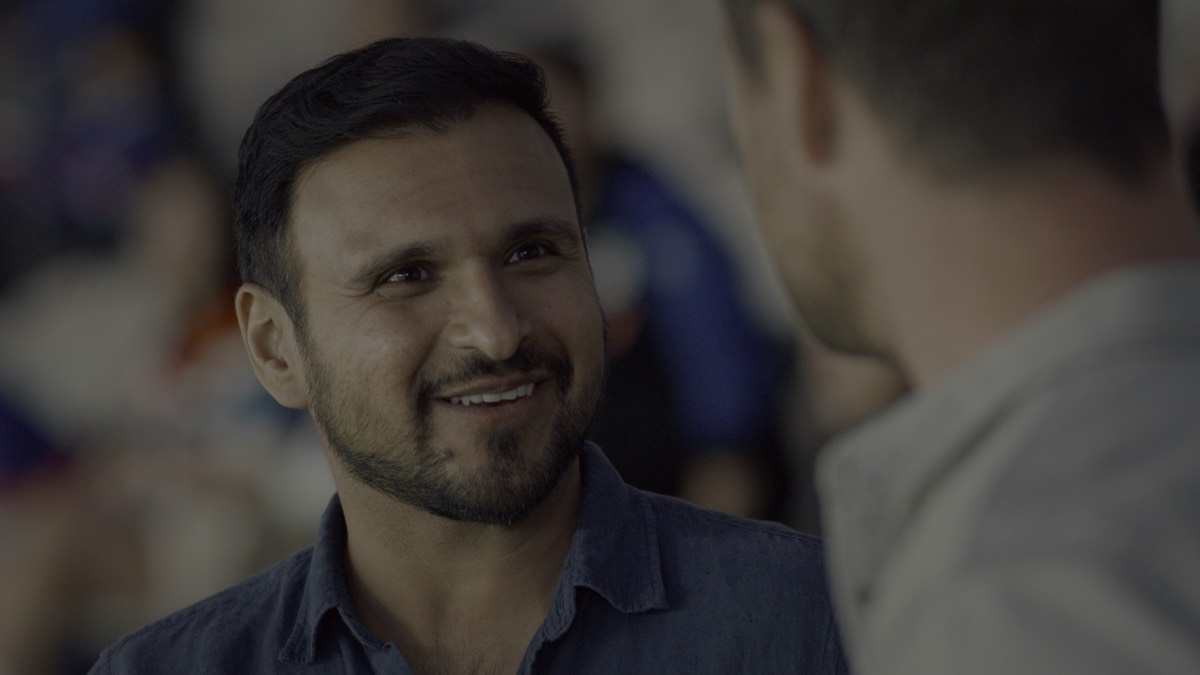
Scientist Suraj Samtani chats with Chris Hemsworth about the potential benefits of reminiscence therapy. National Geographic
Director Tom Barbor-Might behind the camera during filming of the documentary. National Geographic/Craig Parry
Scientist Suraj Samtani chats with Chris Hemsworth about the potential benefits of reminiscence therapy. National Geographic
Hemsworth found a scientific guide for this journey in Suraj Samtani, a clinical psychologist at the New South Wales Center for Healthy Brain Aging who specializes in dementia. Recent research has shown that one’s risk of dementia can be reduced by half by maintaining regular social interactions, and, even after a diagnosis, fostering strong social connections can slow cognitive decline. Revisiting past experiences, including visiting locations from one’s past, can also boost cognition in those with early onset dementia or Alzheimer’s—hence the Hemsworth road trip.
The first stage was to re-create the Melbourne family home from the 1990s. “The therapeutic practice of reminiscence therapy gave the film not only its intellectual and emotional underpinning, it gave it its structure,” said Barbor-Might. “We wanted to really explore this and also, as an audience, get a glimpse of their family life in the 1990s. It was a sequence that felt really important. The owner extraordinarily agreed to let us revert [the house]. They went and lived in a hotel for a month and were very, very noble and accommodating.”
Old photographs helped resolve the discrepancies in family members’ memories and fill in the gaps. “We were able to do it because the person who bought the house after [the Hemsworths], as an aide-Mémoire, had photographed all of the homes he was considering as part of his decision-making process,” said Barbor-Might. “And there was Chris’ teenage bedroom, there was Luke’s teenage bedroom, it was the family home all laid out. Our art department was able to go on eBay and visit every single thrift store in Melbourne to track down the right posters and all of that.”
Into the outback
The bulk of the journey is the Hemsworths’ motorcycle trip to the Northern Territory, specifically the tiny town of Bulman, where the family lived when the brothers were very young. Craig worked on a cattle station and reunited with one of his co-workers, Spencer, as well as other community members. The harsh outback environment posed its own challenges for the film crew. “It’s never the most comforting thing when the risk assessment involves taking anti-venom with you,” said Barbor-Might. “It’s very remote, and we’re a documentary team, not a news crew. But the community was so supportive and so excited that Craig and [mom] Leonie and Chris were coming back. Without them, it would have been impossible.”
Chris Hemsworth and his father Craig plan a road trip to help the latter battle early-onset Alzheimer's. National Geographic/Craig Parry
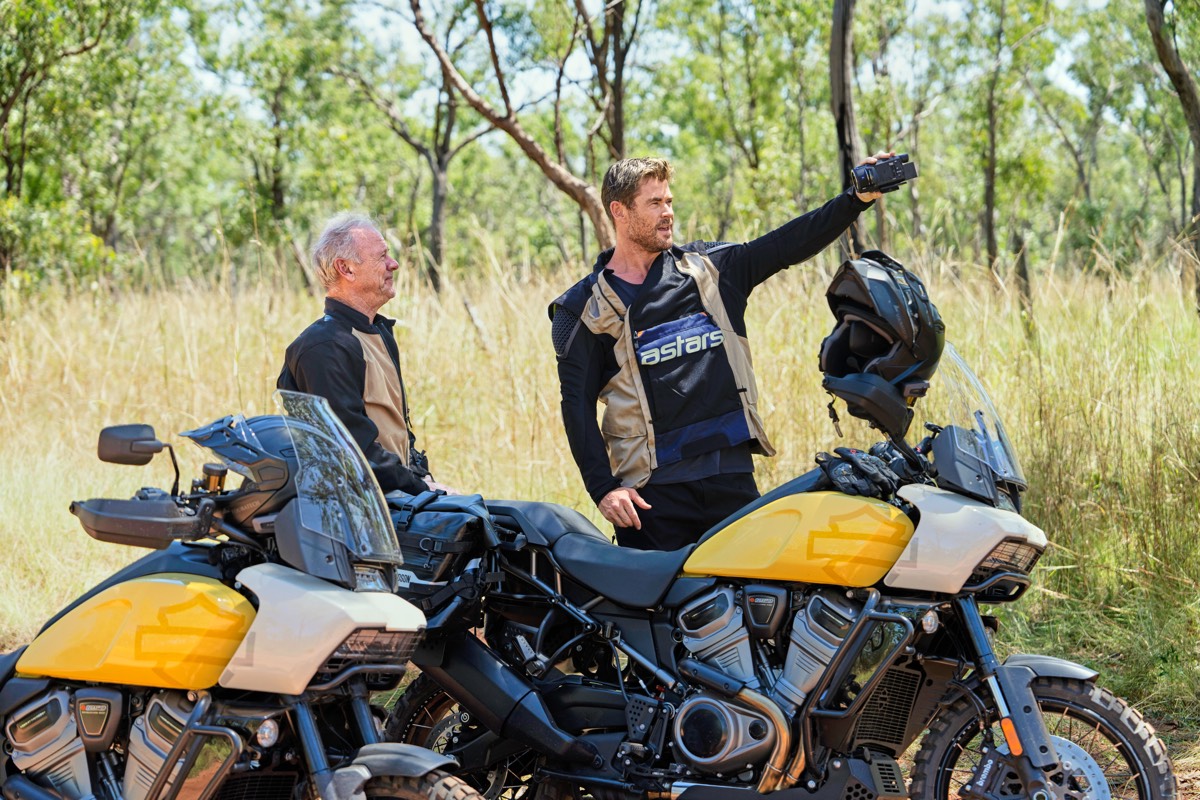
Chris and Craig prepare for their road trip via motorcycle. National Geographic/Craig Parry
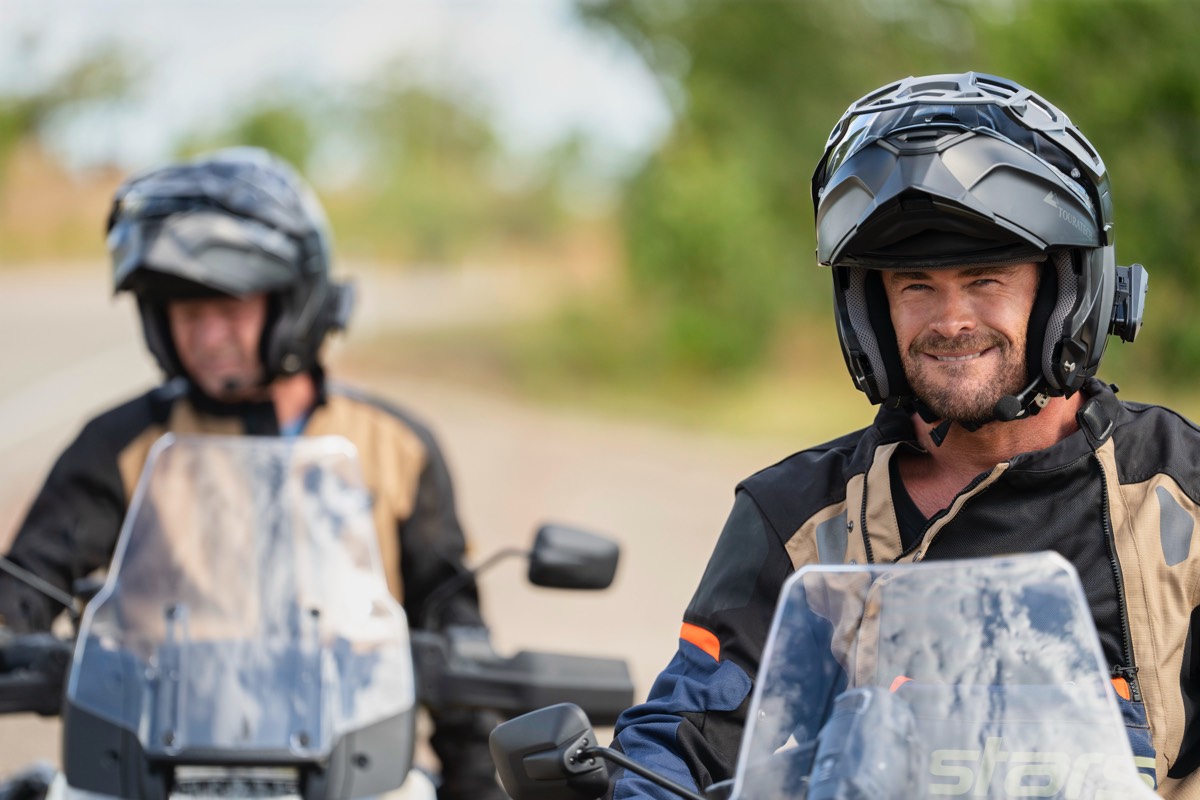
Father and son in their element. National Geographic/Craig Parry
Chris and Craig prepare for their road trip via motorcycle. National Geographic/Craig Parry
Father and son in their element. National Geographic/Craig Parry
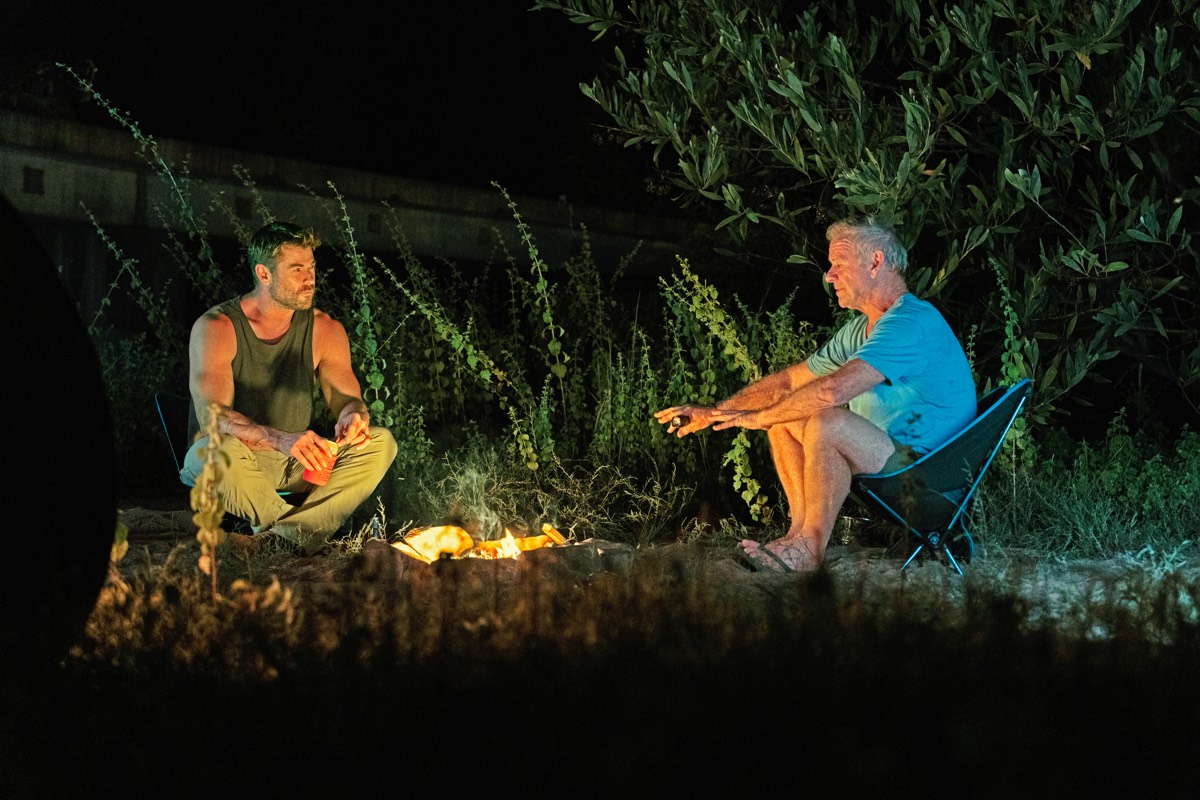
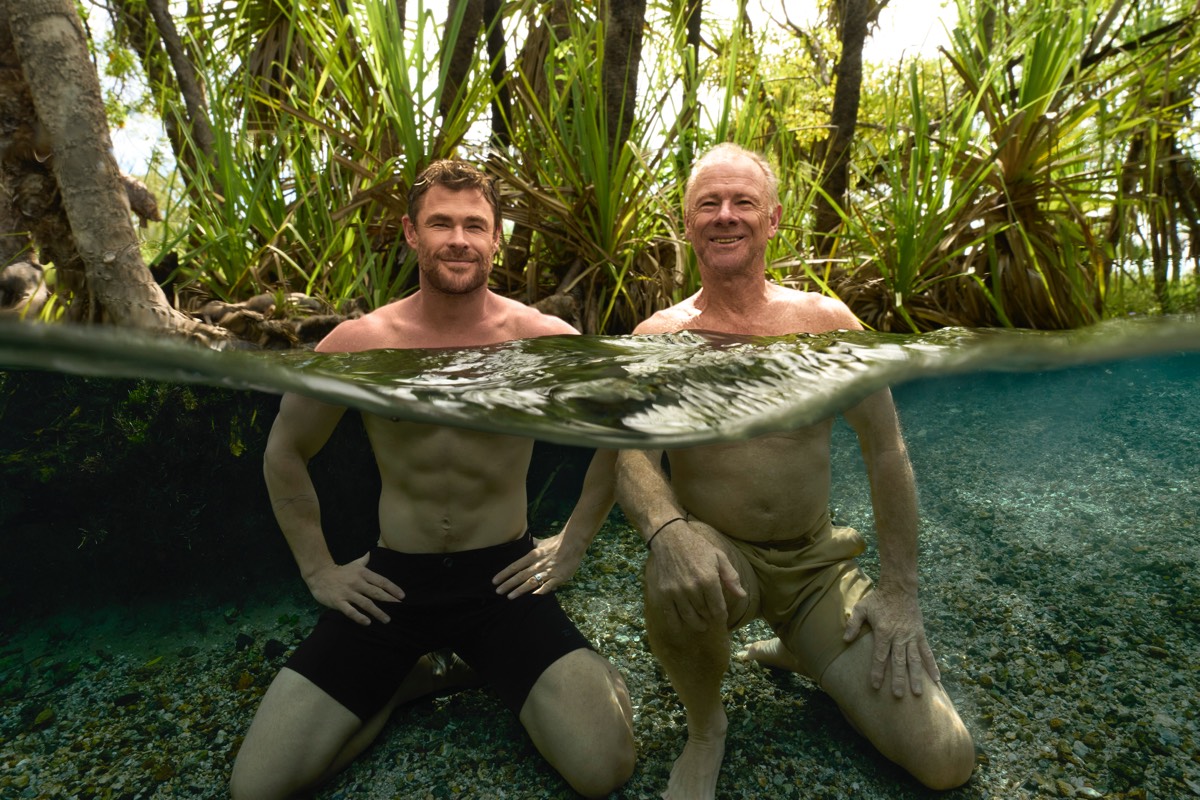
Given the sensitive, deeply personal subject matter, it was a challenge to strike the right balance between honest documentation and respecting family privacy. “We spent a very long time talking about the film before we ever decided to make it,” said Barbor-Might. “That was a big part of our process: what are we doing and why? If we’re going to go into something so sensitive and so intimate, where people are so vulnerable, we need to know why we’re going to capture, frankly, some of the symptoms of the disease on film. It was a big decision to do that and how best to do it.”
Craig Hemsworth’s own perspective was key. “Craig’s at the beginning of his diagnosis, the beginning of his journey, and he felt like, ‘Well, I don’t understand what you’d be doing if it was abstract to the audience,'” said Barbor-Might. “His motivation was that by sharing, it might help others. One of the things I think the film is quietly about is that we should have the conversations that we need to have now and not wait. We are all aware of dementia, aging brains, Alzheimer’s, but we don’t really talk about it, and we don’t really confront it. So many people will experience this, tragically. This will be part of their lives and part of their family’s journey.
“So if we’re going to talk about it, then if [a memory lapse] happens in front of the lens, we capture it,” he added. “There were lots of safety nets. There was always consent that could be withdrawn at any point, and that went all the way through the edit. We would cut at any point. We even leave one of those moments in the film where the cameras stop. That was very much part of the methodology.”
One of the key takeaways Barbor-Might hopes audiences gain from the film is the importance of fostering and maintaining social connections. Mostly, however, he emphasizes how critical it is to have difficult personal conversations surrounding things like Alzheimer’s. “We often delay those kinds of conversations because we’re embarrassed or we don’t want to confront the people we love or put them in awkward situations,” he said. “But life is happening right now. Do it. Don’t wait.”
A Road Trip to Remember premieres on November 23 on National Geographic and will be available to stream on Disney+ and Hulu the following day.
Credit: National Geographic
