


- Регистрация
- 17 Февраль 2018
- Сообщения
- 40 838
- Лучшие ответы
- 0
- Реакции
- 0
- Баллы
- 8 093
Offline
Children with the mutation have up to a 90% chance of developing cancer by age 60.
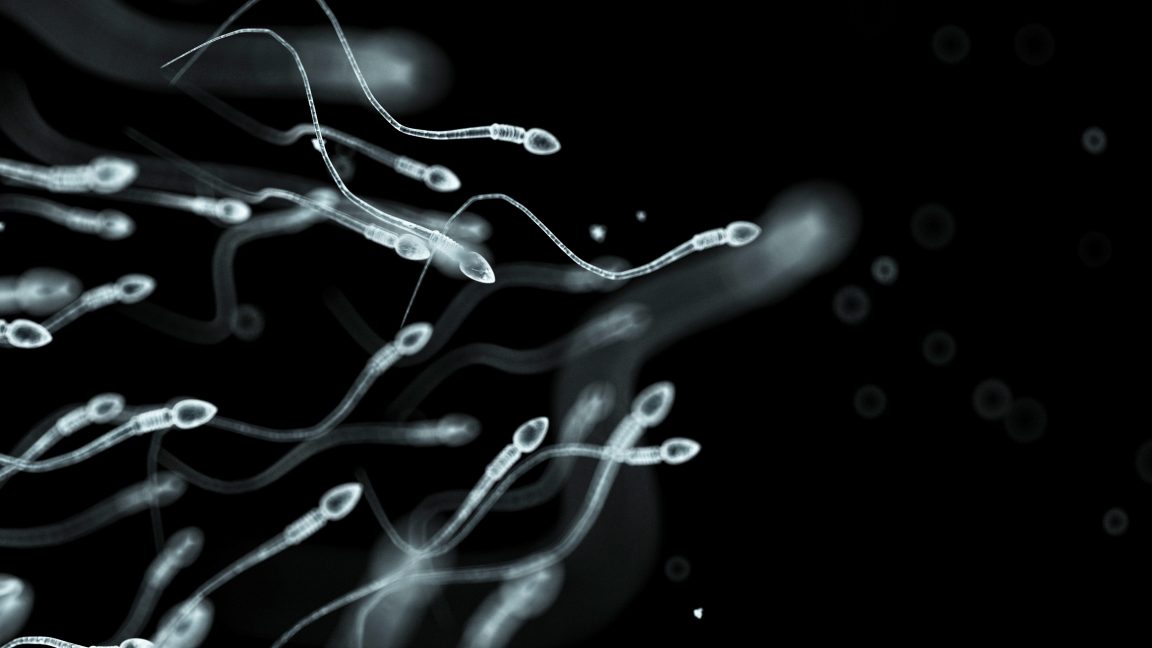
Credit: Getty | Sciepro
A single sperm donor who carries a rare cancer-causing genetic mutation has fathered at least 197 children across 14 countries in Europe, according to a collaborative investigation by 14 European news groups.
According to their investigative report, some of the children have already died, and many others are expected to develop deadly cancers.
The man—Donor 7069, alias “Kjeld”—carries a rare mutation in the TP53 gene, which codes for a critical tumor suppressor called protein 53 or p53. This protein (which is a transcription factor) keeps cells from dividing uncontrollably, can activate DNA repair processes amid damage, and can trigger cell death when a cell is beyond repair. Many cancers are linked to mutations in p53.
When a p53 mutation is passed down in sperm (a germline mutation), it causes a rare autosomal dominant condition called Li Fraumeni syndrome, which greatly increases the risk of a variety of cancers in childhood and young adults. Those include cancers of the brain, blood, bone, soft tissue, adrenal glands, and breast, among others.
The estimated frequency of this type of mutation is between 1 in 5,000 and 1 in 20,000 .
According to the investigation, the man was unaffected by the condition, but the mutation was present in around 20 percent of his sperm.
Kjeld began donating sperm to a bank in Copenhagen in 2005 when he was a student. At the time, he was healthy and passed all tests—the mutation was not detected, and rare conditions are usually not part of screening. His sperm was subsequently used in 67 fertility clinics across 14 countries. Those countries include Denmark, Belgium, Spain, Greece, Germany, Ireland, Poland, Albania, and Kosovo. Women in Sweden also received the sperm. Investigators were able to identify 197 children from the distributions, but the true number of offspring is expected to be higher.
The cases came to light after French oncologist Edwige Kasper presented data at a genetics conference in May, finding that 67 children had been conceived using the same sperm donor. Of those, 23 were found to carry the mutation, and 10 had already developed cancer. Those who carry the mutation have up to a 90 percent chance of developing cancer by age 60, and half develop cancer by age 40.
It’s unclear how many of the 197 children identified at this point carry the mutation, but Kasper and colleagues are working to identify and contact all of them to make sure they can access critical monitoring and screening, which has the potential to increase their chances of survival.
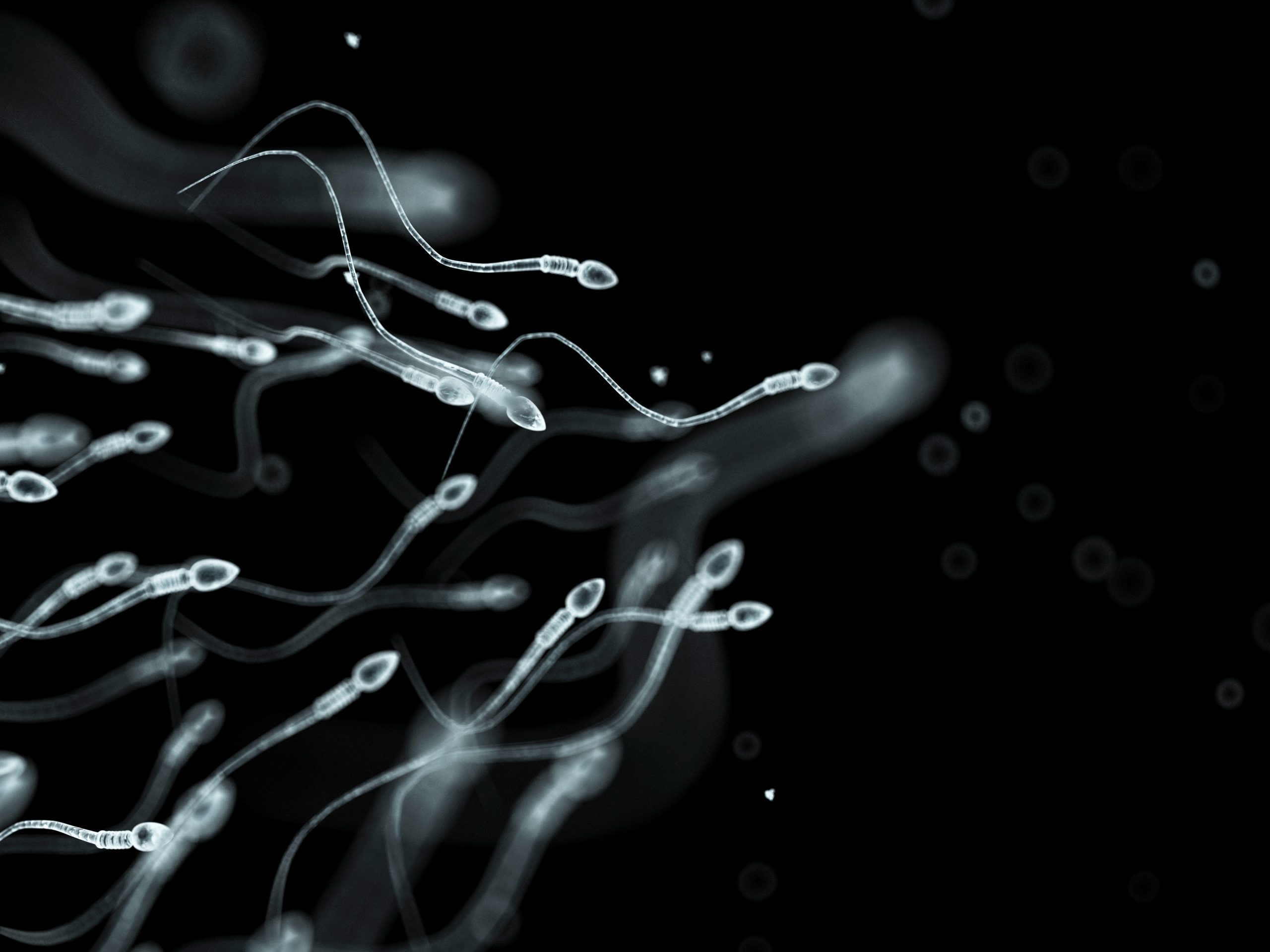
Credit: Getty | Sciepro
A single sperm donor who carries a rare cancer-causing genetic mutation has fathered at least 197 children across 14 countries in Europe, according to a collaborative investigation by 14 European news groups.
According to their investigative report, some of the children have already died, and many others are expected to develop deadly cancers.
The man—Donor 7069, alias “Kjeld”—carries a rare mutation in the TP53 gene, which codes for a critical tumor suppressor called protein 53 or p53. This protein (which is a transcription factor) keeps cells from dividing uncontrollably, can activate DNA repair processes amid damage, and can trigger cell death when a cell is beyond repair. Many cancers are linked to mutations in p53.
When a p53 mutation is passed down in sperm (a germline mutation), it causes a rare autosomal dominant condition called Li Fraumeni syndrome, which greatly increases the risk of a variety of cancers in childhood and young adults. Those include cancers of the brain, blood, bone, soft tissue, adrenal glands, and breast, among others.
The estimated frequency of this type of mutation is between 1 in 5,000 and 1 in 20,000 .
According to the investigation, the man was unaffected by the condition, but the mutation was present in around 20 percent of his sperm.
Kjeld began donating sperm to a bank in Copenhagen in 2005 when he was a student. At the time, he was healthy and passed all tests—the mutation was not detected, and rare conditions are usually not part of screening. His sperm was subsequently used in 67 fertility clinics across 14 countries. Those countries include Denmark, Belgium, Spain, Greece, Germany, Ireland, Poland, Albania, and Kosovo. Women in Sweden also received the sperm. Investigators were able to identify 197 children from the distributions, but the true number of offspring is expected to be higher.
The cases came to light after French oncologist Edwige Kasper presented data at a genetics conference in May, finding that 67 children had been conceived using the same sperm donor. Of those, 23 were found to carry the mutation, and 10 had already developed cancer. Those who carry the mutation have up to a 90 percent chance of developing cancer by age 60, and half develop cancer by age 40.
It’s unclear how many of the 197 children identified at this point carry the mutation, but Kasper and colleagues are working to identify and contact all of them to make sure they can access critical monitoring and screening, which has the potential to increase their chances of survival.
